


Yes, finasteride works for hair loss in most men with male pattern baldness. As a prescription tablet that blocks the hormone DHT, finasteride helps stop further thinning in roughly 80–90% of men and produces some regrowth in around two-thirds of users when taken daily. It treats male pattern hair loss only, not other causes, and its benefits last only while you keep taking it.
What is finasteride and how does it treat hair loss?
Finasteride is an oral, prescription-only medicine used to treat male pattern baldness (androgenetic alopecia). It works by inhibiting the enzyme 5-alpha-reductase, which converts testosterone into dihydrotestosterone (DHT). DHT is the hormone that gradually shrinks genetically sensitive hair follicles on the scalp, causing the hair to become finer and shorter until it stops growing.
By lowering scalp DHT levels — by around 60–70% at the standard 1mg daily dose — finasteride removes much of the pressure that drives pattern hair loss. This protects existing follicles and gives weakened ones a chance to recover. It is one of the most studied hair-loss medications and is widely used as a first-line treatment for men. It is not suitable for women who are or may become pregnant, and it does not treat hair loss caused by stress, illness, diet or scarring conditions.
Does finasteride actually work?
For male pattern baldness, the evidence is strong. In clinical use, the typical outcomes for men taking 1mg daily are:
- Stops or slows loss in roughly 80–90% of men — for many, halting the progression is the main benefit.
- Produces visible regrowth in around two-thirds of users, usually most noticeable on the crown and mid-scalp.
- Works best early. Finasteride is far better at keeping the hair you have than at regrowing hair lost long ago.
It is least effective at the frontal hairline and on completely bald areas where follicles have already died. Results are also not instant — and crucially, they are not permanent if you stop. The honest summary: finasteride is highly effective at preserving hair, moderately effective at regrowing it, and does nothing once discontinued.
How long does finasteride take to work?
Finasteride takes time and consistency. Expect a gradual timeline rather than a quick fix:
| Timeframe | What typically happens |
|---|---|
| First 1–3 months | Some men notice temporary increased shedding as weak hairs cycle out — this is normal. |
| 3–6 months | Shedding stabilises; loss usually slows or stops. |
| 6–12 months | Any regrowth becomes visible; hair feels thicker. |
| 12 months+ | Full effect is assessed; benefits maintained with continued daily use. |
Doctors generally advise giving finasteride at least 12 months before judging its effect. Taking it at the same time each day improves consistency. If there is no benefit after a year, your prescriber may review your treatment plan.
What are the side effects of finasteride?
Finasteride is well tolerated by most men, but like any medicine it carries possible side effects, and these are worth understanding before starting. The most commonly discussed are sexual side effects — reduced libido, erectile difficulties or reduced ejaculate volume — reported in a small percentage of users (studies generally suggest around 1–2%). For most men who experience them, these effects resolve after stopping the medication, and many men never experience them at all.
Other points to know:
- Do discuss your full medical history with a prescriber before starting.
- Do tell your doctor if you are due a PSA (prostate) blood test, as finasteride can lower the reading.
- Don’t take finasteride if you are a woman who is or could become pregnant — broken or crushed tablets must not be handled, as they can affect a developing male foetus.
- Don’t expect side effects to be inevitable — most men tolerate the medication without problems.
Because this is a prescription medicine, individual assessment matters. A clinician will weigh the benefits and risks for your specific situation. Finasteride is one of several options covered in our overview of non-surgical hair loss treatments at Vinci.
What happens if you stop taking finasteride?
If you stop taking finasteride, its protective effect wears off. DHT levels return to normal within weeks, and any hair that was preserved or regrown thanks to the medication will typically be lost over the following 6–12 months — usually returning you to the level of loss you would have reached without treatment. In short, finasteride is a long-term commitment, not a one-off cure. This is an important consideration when weighing it against more permanent options like a hair transplant.
Finasteride vs other hair loss treatments: how do they compare?
Finasteride is rarely the only option, and it is often combined with others for a better outcome. Here is how the main approaches compare:
| Treatment | How it works | Best for | Permanent? |
|---|---|---|---|
| Finasteride (oral) | Blocks DHT internally | Slowing/stopping male pattern loss | No — needs ongoing use |
| Minoxidil (topical) | Stimulates follicles, improves blood flow | Boosting growth, often alongside finasteride | No — needs ongoing use |
| PRP therapy | Uses your own platelets to support follicles | Supporting thinning but living hair | No — maintenance sessions |
| Hair transplant | Relocates DHT-resistant follicles | Restoring areas already bald | Yes — transplanted hair is permanent |
Many men combine finasteride and minoxidil, since they tackle hair loss through different mechanisms. Finasteride also pairs well with surgery: it helps protect your existing native hair so a transplant result stays consistent over time. You can learn more about platelet therapy in our guide to how PRP supports hair regrowth, and about combining approaches across our full range of treatments.
Is finasteride right for you?
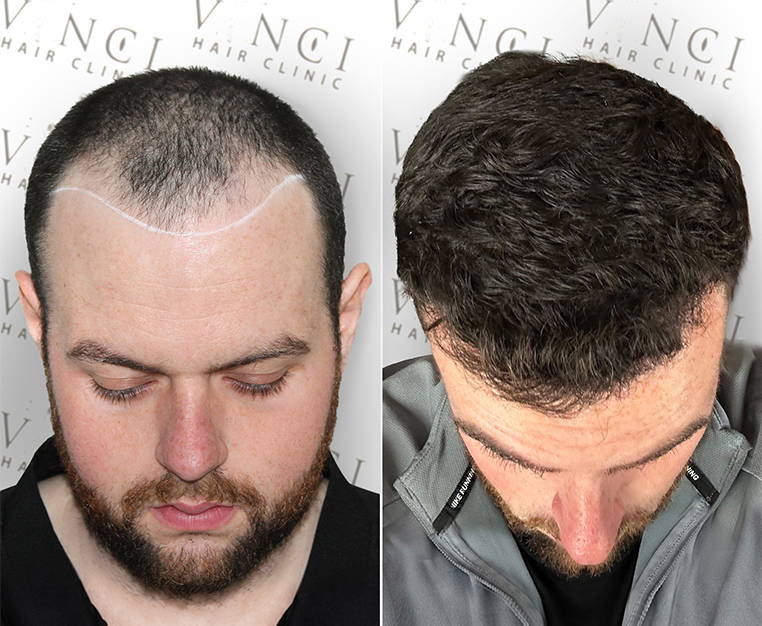
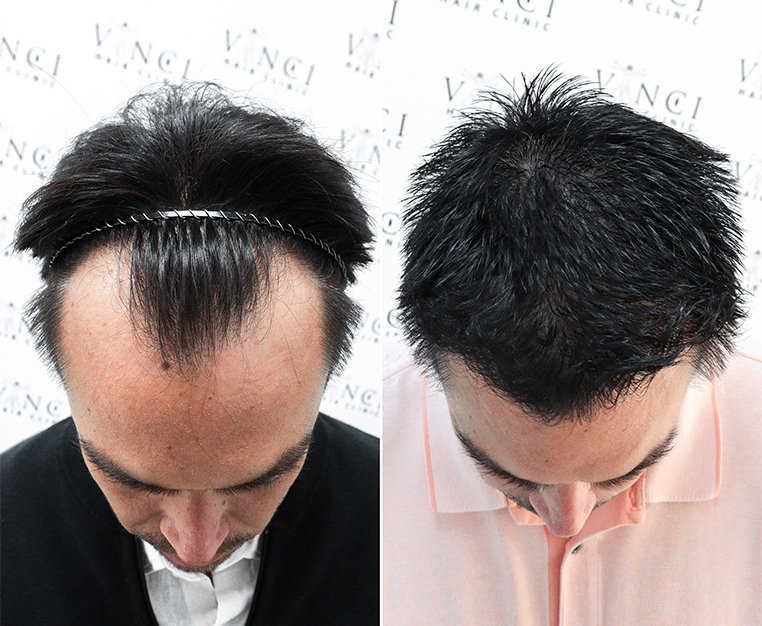
Finasteride is a strong choice if you are a man with early-to-moderate pattern hair loss who wants to keep the hair you have. It is less suitable if your goal is to regrow hair on areas that are already fully bald, where a transplant may be more effective. The right decision depends on your pattern, stage and goals — which is exactly what a professional assessment is for. A clinician can confirm whether your hair loss is pattern-related, whether finasteride is appropriate for you, and how it might fit alongside other treatments.
Frequently Asked Questions
How effective is finasteride for hair loss?
For male pattern baldness, finasteride stops or slows hair loss in roughly 80–90% of men and produces some regrowth in about two-thirds when taken daily. It works best on the crown and mid-scalp, and is less effective at the frontal hairline or on areas that are already fully bald.
Do I have to take finasteride forever?
To keep the results, yes. Finasteride only works while you take it. If you stop, DHT levels rise again and any hair you preserved or regrew is usually lost within 6–12 months. It is best thought of as an ongoing treatment rather than a cure.
Can finasteride regrow a receding hairline?
Finasteride is better at preserving hair than regrowing it, and the frontal hairline is the hardest area to improve. Some men see modest gains, but for an already receded hairline a hair transplant is often more reliable. A consultation can clarify realistic expectations.
Are finasteride side effects common?
Most men tolerate finasteride well. Sexual side effects such as reduced libido are reported in a small percentage of users (around 1–2% in studies) and usually resolve after stopping. Discuss your medical history with a prescriber before starting.
Can women take finasteride for hair loss?
Finasteride is not suitable for women who are or may become pregnant, as it can harm a developing male foetus, and women should not even handle crushed tablets. Female hair loss is best assessed individually, as different treatments are usually more appropriate.
Finasteride can be an effective part of a hair-loss plan, but the right approach depends entirely on your individual pattern and goals. Book a free, no-obligation consultation with Vinci Hair Clinic, where our experienced specialists can assess your hair loss and recommend the combination of treatments most likely to work for you.

 UK Store