


Yes, stress can cause hair loss. Significant physical or emotional stress can push hair follicles prematurely into their resting phase, triggering a temporary shedding condition called telogen effluvium. The good news is that stress-related hair loss is usually reversible: once the stressor resolves, most people see regrowth within three to six months. Stress can also worsen existing pattern baldness.
Hair loss caused by stress is rarely permanent on its own, but it can be distressing and is often mistaken for genetic thinning. Understanding the mechanism, the timeline and when to seek a professional assessment helps you respond calmly rather than panicking at the sight of extra hair in the shower or on the pillow.
How does stress actually cause hair to fall out?
At any given time, roughly 85–90% of the hairs on your scalp are growing (the anagen phase) while the rest are resting or shedding. A sudden shock to the body or mind can disrupt this balance, prompting a larger-than-normal proportion of follicles to switch into the resting (telogen) phase at once.
Two to three months later, those resting hairs are released, which is why stress-related shedding often appears after the stressful event rather than during it. This delay is a key reason people struggle to connect the cause and effect. The follicle itself is not damaged in this process, which is why regrowth is typically expected once the trigger passes.
What are the three main types of stress-related hair loss?
Stress is linked to three distinct conditions, and telling them apart matters because they behave differently.
| Condition | What happens | Reversible? |
|---|---|---|
| Telogen effluvium | Widespread, diffuse shedding 2–3 months after a stressful event | Yes, usually within 3–6 months |
| Alopecia areata | Immune system attacks follicles, causing coin-sized bald patches | Often, but unpredictable; may recur |
| Trichotillomania | A compulsive urge to pull out one’s own hair, often stress-driven | Yes, with behavioural support |
Telogen effluvium is by far the most common stress hair loss pattern. It does not cause bald patches; instead it makes the whole head feel thinner. If you notice defined patches or a strong urge to pull at your hair, those are signs to seek tailored medical advice.
What kinds of stress trigger telogen effluvium?
It is not only emotional strain. The body interprets a wide range of stressors as a shock that can disrupt the hair cycle. Common triggers include:
- Severe emotional distress, such as bereavement, divorce or job loss
- Major surgery or a general anaesthetic
- A high fever or serious infection
- Rapid or significant weight loss and crash dieting
- Childbirth (post-partum shedding is a classic example)
- Stopping or starting certain medications
- Nutritional deficiencies, particularly iron, vitamin D and protein
Because the triggers overlap, a thorough assessment often looks at the whole picture rather than assuming stress alone is responsible.
How can stress make male and female pattern baldness worse?
Stress does not create genetic hair loss, but it can accelerate and unmask it. Chronic stress raises cortisol levels, which research suggests can shorten the hair growth phase and interfere with the follicle’s normal cycling. For someone already predisposed to androgenetic alopecia, a period of intense stress can bring forward thinning that might otherwise have appeared gradually.
This is why some people experience a stressful year and emerge with noticeably thinner hair that does not fully recover. In these cases the underlying cause is pattern baldness, and stress was the trigger that exposed it. Distinguishing temporary shedding from genetic loss is one of the most valuable outcomes of a professional consultation. Vinci offers a range of non-surgical hair loss treatments that can support the scalp during these phases.
How do you reverse stress-related hair loss?
The most important step is addressing the underlying stressor. Beyond that, several measures support healthy regrowth:
- Manage the stress itself through sleep, exercise, therapy or mindfulness as appropriate.
- Eat a balanced, protein-rich diet and correct any nutritional deficiencies under medical guidance.
- Be gentle with your hair — avoid tight styles, harsh brushing and excessive heat.
- Consider supportive treatments such as PRP therapy, which uses your own blood platelets to nourish follicles.
- Get a professional diagnosis if shedding lasts beyond six months or you see patches.
For ongoing support of the follicles, some patients explore the Vinci PRP protocol. A consultation is needed to confirm what is right for you.
When should you see a specialist about stress hair loss?
Occasional extra shedding during a difficult period is normal and rarely a cause for alarm. You should seek a professional assessment if shedding continues for more than six months, if you develop distinct bald patches, if your scalp is itchy, sore or scarred, or if thinning is clearly following a male or female pattern. Early assessment helps rule out treatable medical causes and identifies whether genetic hair loss is also involved, so you can act before more follicles are affected.
Frequently Asked Questions
How long does stress-related hair loss last?
Telogen effluvium typically resolves within three to six months once the stressful trigger has passed. Visible regrowth usually follows shortly after the shedding stops. If shedding continues beyond six months, it is worth seeking a professional assessment to rule out other causes.
Will my hair grow back after stress?
In most cases of telogen effluvium, yes. The follicles are not destroyed, simply pushed into a resting phase, so hair generally regrows once the body recovers. However, if stress has unmasked genetic pattern baldness, that portion of the loss may not fully reverse without treatment.
Can stress cause permanent hair loss?
Pure stress-related shedding is usually temporary. Permanent loss tends to occur only when stress accelerates an underlying genetic condition, when hair pulling causes lasting follicle damage, or when alopecia areata progresses. A specialist can determine which scenario applies to you.
How can I tell if my hair loss is from stress or genetics?
Stress-related shedding is usually diffuse, affecting the whole scalp evenly, and follows a stressful event by two to three months. Genetic loss tends to follow a predictable pattern, such as a receding hairline or crown thinning. A clinical assessment can distinguish the two with confidence.
Does reducing stress make hair grow back faster?
Managing stress removes the trigger that disrupted the hair cycle, which allows follicles to return to normal growth. While there is no instant fix, supporting your body with good sleep, nutrition and stress management gives your hair the best environment to recover.
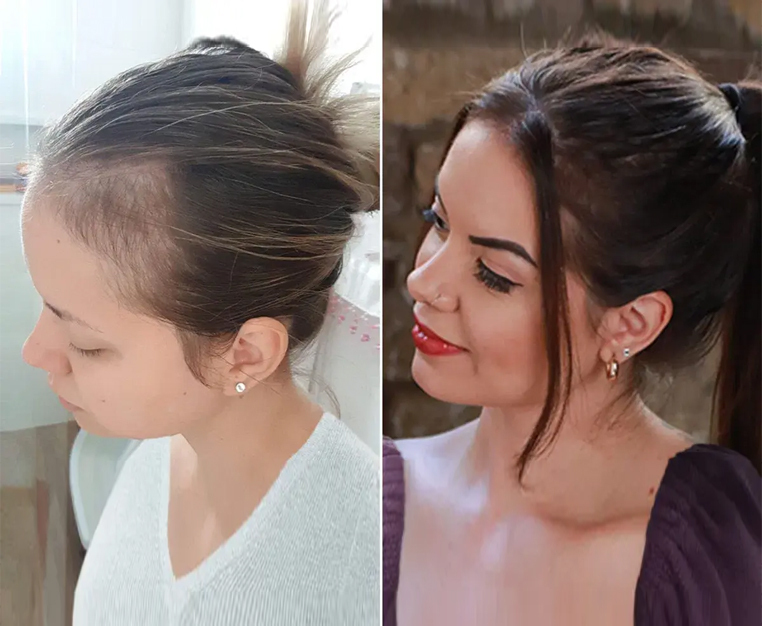
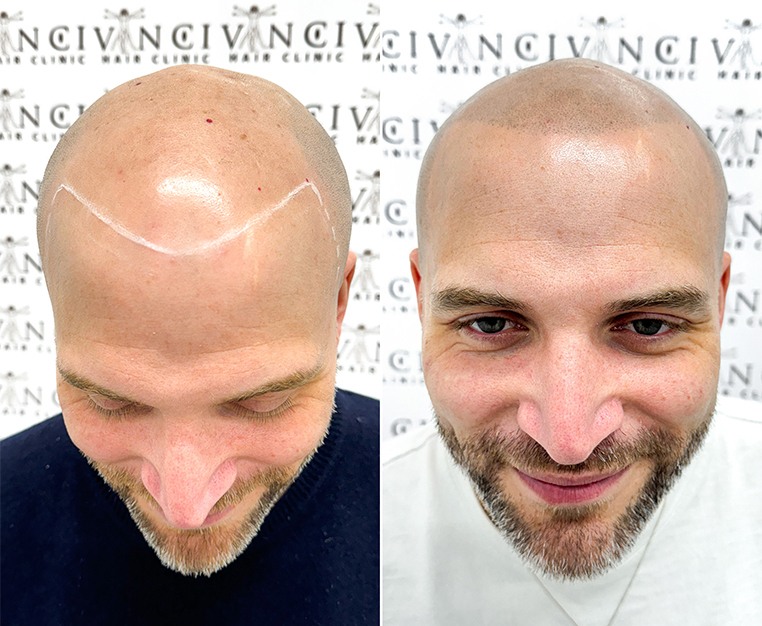
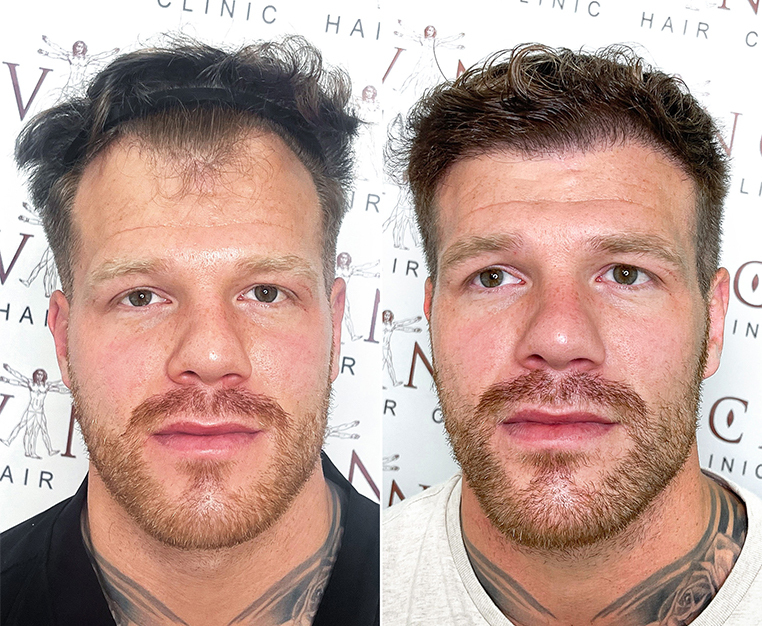
If you are worried that stress hair loss is affecting your confidence, the experienced team at Vinci Hair Clinic can help you understand exactly what is happening to your hair. Book a free, no-obligation consultation with Vinci Hair Clinic to receive a personalised assessment and a clear plan for restoring healthy, fuller hair.
 UK Store