


An eyebrow transplant in the UK is a minor surgical procedure that restores or reshapes thin, patchy or absent eyebrows by relocating individual hair follicles — usually taken from the back of the scalp — into the brow area. Performed under local anaesthetic, it typically takes 2–4 hours, uses around 100–400 grafts per brow, and produces permanent, natural-looking results that grow in over 6–12 months.
What is an eyebrow transplant?
An eyebrow transplant is a follicular transplantation procedure that moves healthy hair follicles from a donor site to the eyebrows. Because the relocated follicles are genetically resistant to thinning, the new brow hairs are permanent and continue to grow for life. The technique is the same family of surgery used for scalp restoration, simply adapted to the delicate angles and density of the brow.
It is a cosmetic solution for people whose eyebrows are naturally sparse, have been over-plucked, or have been lost through scarring, burns, medical conditions such as alopecia areata, or treatments like chemotherapy. It is not a temporary fix like microblading or pencil — once the follicles establish, they behave like normal hair.
How is the eyebrow transplant procedure performed?
Most UK clinics, including Vinci Hair Clinic, use the Follicular Unit Extraction (FUE) method for eyebrow work because it leaves no linear scar and allows the surgeon to select fine, single-hair follicles that suit the brow. The procedure follows a clear sequence:
- Consultation and design. The surgeon maps the brow shape with you, agreeing on arch, thickness and symmetry before any hair is harvested.
- Local anaesthetic. Both the donor area and the brows are numbed; the procedure is comfortable and you stay awake throughout.
- Graft harvesting. Individual follicular units are extracted one at a time, usually from the nape of the neck or behind the ear, where the hair is finest.
- Recipient site creation. Tiny incisions are made at precise angles — brow hairs grow almost flat to the skin, so angle control is what makes results look natural.
- Implantation. Grafts are placed one by one to mimic the natural direction and flow of an eyebrow.
The whole process takes roughly 2–4 hours depending on how many grafts are needed. You can read more about our wider exclusive surgical protocols to understand the precision involved.
How many grafts does an eyebrow transplant need?
Graft numbers vary with the size of the brow, the look you want and how much natural hair remains. As a guide, a full reconstruction needs more grafts than a touch-up to fill gaps. The table below shows typical ranges.
| Goal | Approx. grafts per brow | Approx. grafts (both) |
|---|---|---|
| Light filling / gap correction | 50–150 | 100–300 |
| Moderate thickening | 150–250 | 300–500 |
| Full reconstruction | 250–400 | 500–800 |
A personalised assessment is the only reliable way to confirm your graft count — these figures are typical ranges, not a quote. Our approach to planning is similar to the way we calculate how many grafts a scalp transplant needs.
How much does an eyebrow transplant cost in the UK?
An eyebrow transplant in the UK typically costs roughly £2,000–£4,500, depending on the number of grafts, the clinic and the complexity of the design. Most clinics price the procedure as a fixed package rather than per graft because brow work is detailed and labour-intensive. Lower quotes are not always better value — the artistry of angle and density is what determines whether brows look real, so prioritise the surgeon’s experience over headline price.
What does recovery and aftercare involve?
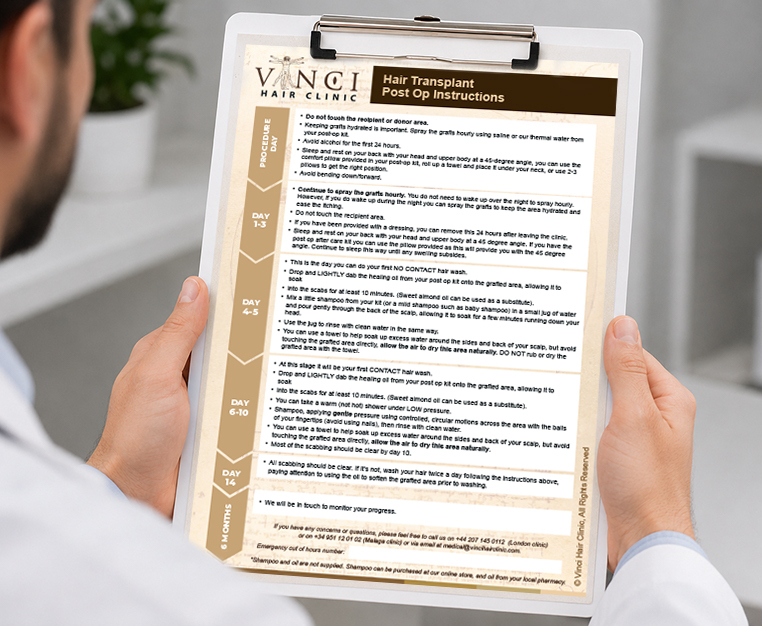
Recovery from an eyebrow transplant is quick compared with scalp surgery, but the brow area is sensitive and needs care while the grafts settle. Expect the following timeline:
- Days 1–3: mild redness, tiny scabs and slight swelling around the brows.
- Days 5–10: scabs flake away; avoid rubbing, picking, swimming and heavy sweating.
- Weeks 2–4: transplanted hairs shed — this is normal and expected, not a failure.
- Months 3–4: new growth begins from the rested follicles.
- Months 6–12: brows fill in and reach their final look.
Do follow your clinic’s washing and moisturising instructions; don’t apply make-up to the brows until cleared. The principles mirror our general week-by-week recovery guidance.
What results can you expect, and who is a good candidate?
Results look natural when the surgery is well planned, and they are permanent because the follicles keep their original genetic programming. One quirk worth knowing: because the donor hair often comes from the scalp, transplanted brow hairs may grow a little faster than native brow hair and need occasional trimming. Good candidates have a healthy donor area, realistic expectations and stable brow loss. People with active scalp or skin conditions, or unstable alopecia, may need treatment or further assessment first — which is why an individual consultation matters.
Frequently Asked Questions
Are eyebrow transplant results permanent?
Yes. Because the transplanted follicles are taken from areas resistant to thinning, the new brow hairs are permanent and grow for life. After the initial shedding phase, they re-grow and behave like normal hair, though they may need occasional trimming.
Does an eyebrow transplant hurt?
The procedure is carried out under local anaesthetic, so most patients feel only mild pressure during surgery. Afterwards there may be slight tenderness, redness and tiny scabs for a few days, usually managed with simple over-the-counter pain relief.
How long until I see final results?
Transplanted hairs typically shed within the first few weeks, then new growth begins around months 3–4. Most people see their final, settled brows between 6 and 12 months after the procedure.
Is an eyebrow transplant better than microblading?
They serve different needs. Microblading is a temporary, semi-permanent tattoo that fades within 1–3 years, while an eyebrow transplant uses your own living hair for a permanent, three-dimensional result. A transplant suits those wanting a lasting solution.
Can over-plucked eyebrows be restored?
In many cases, yes. If the follicles have been permanently damaged by years of plucking, a transplant can restore density and shape. A consultation is needed to confirm whether your brows are suitable and how many grafts you would need.
If you’re considering restoring or reshaping your brows, the best next step is a personalised assessment. Book a free, no-obligation consultation with Vinci Hair Clinic to discuss your goals, review your donor area and receive a tailored treatment plan from our experienced specialists.


 UK Store