


The best age for a hair transplant is generally from the mid-to-late twenties onwards, once your hair loss pattern has begun to stabilise. There is no single perfect age, but most surgeons prefer to operate when the loss is predictable rather than rapidly progressing. Transplanting too young — typically before 25 — risks unnatural results as surrounding hair continues to thin around the grafts. A consultation is essential to assess your individual pattern.
Is there a minimum age for a hair transplant?
Most reputable clinics will not perform surgery on patients under 18, and many are cautious about operating before the mid-twenties. The reason is biological rather than legal: in your late teens and early twenties, male and female pattern hair loss is often still developing, so it is hard to predict where the loss will end up.
If grafts are placed while the pattern is still advancing, the transplanted hair (which is permanent) can be left stranded as the native hair around it continues to thin. This creates patchy, unnatural-looking results and may force further surgery later. For this reason, the best age for a hair transplant rarely falls below 25, even when younger patients are keen to act.
Why does age matter for hair transplant results?
Hair loss is progressive. A transplant moves resistant follicles into thinning areas, but it does not stop the underlying condition affecting your remaining native hair. Age matters because it is a proxy for how stable and predictable your hair loss has become.
- Younger patients tend to have unpredictable, faster-moving loss, making long-term planning harder.
- Older patients usually have a more established pattern, so the surgeon can design a hairline and density that will still look natural in 10–20 years.
- Donor supply is finite. Operating too early can use up grafts that might be needed later as loss extends.
This is why careful planning matters so much. Our guide on how many grafts you need explains how surgeons balance present needs against future loss.
What is the ideal age range for a hair transplant?
Rather than a fixed number, think in terms of life stages and how each affects suitability. The table below offers a general guide — your own situation is what counts.
| Age range | Typical suitability | Key consideration |
|---|---|---|
| Under 25 | Usually not recommended | Loss pattern often still developing |
| 25–35 | Often a good window | Pattern emerging; plan for future loss |
| 35–50 | Frequently ideal | Stable pattern, predictable design |
| 50+ | Often suitable | Depends on health and donor density |
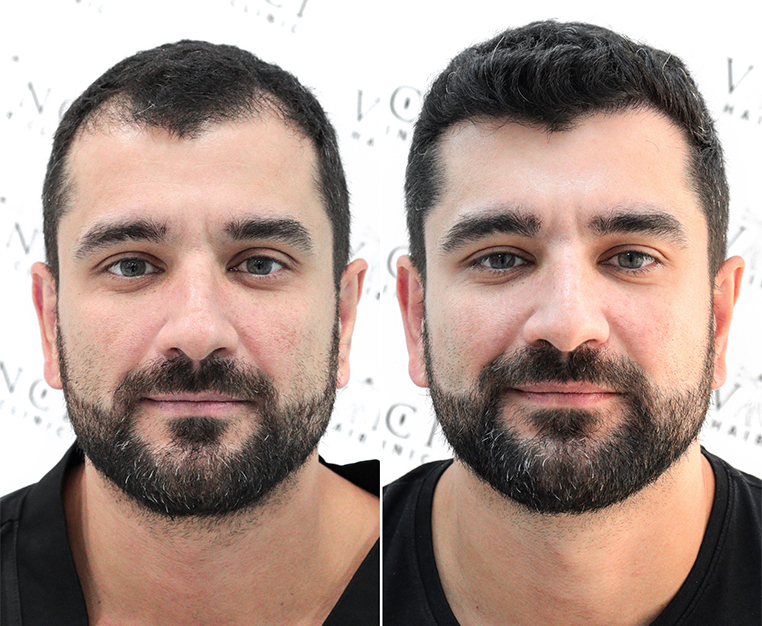
Many surgeons consider the 30s to 40s a sweet spot: the pattern is usually clear, the donor area is typically still strong, and realistic expectations are easier to set. That said, plenty of patients in their late twenties and their fifties are excellent candidates.
Can you be too old for a hair transplant?
There is no strict upper age limit. Older patients in good general health, with adequate donor hair, can achieve excellent, natural results. Age alone does not rule anyone out. What matters more is:
- Donor density — enough healthy follicles to relocate.
- General health — fitness for a minor surgical procedure.
- Realistic goals — designing a hairline appropriate to your age and face.
For some older patients with extensive loss and limited donor supply, non-surgical options may suit better. Our overview of non-surgical hair loss treatments covers the alternatives, and a consultation will identify the right path.
What matters more than age when choosing a hair transplant?
Age is a useful guide, but it is not the deciding factor. A surgeon assesses several things together:
- Stability of hair loss — has the pattern slowed and become predictable?
- Donor area quality — density, hair calibre and overall supply.
- Extent of loss — how much area needs coverage now and later.
- Expectations — wanting a natural, age-appropriate outcome rather than a teenage hairline.
This is why two people of the same age can get very different advice. The procedure is highly individual, and an in-person assessment is the only way to confirm whether now is the right time for you.
Should younger patients wait or treat hair loss differently?
For patients in their early twenties with active loss, surgeons often recommend stabilising the hair first rather than rushing into surgery. Medical treatments and therapies can slow progression and preserve existing hair, buying time until the pattern settles. Treatments such as PRP therapy may support existing hair while you and your specialist monitor how the loss develops. When the pattern stabilises, a transplant can then be planned with confidence.
Frequently Asked Questions
What is the youngest age you can get a hair transplant?
While 18 is usually the legal minimum, most surgeons advise waiting until at least the mid-twenties so the hair loss pattern has time to stabilise. Operating too young risks unnatural results as native hair keeps thinning around the grafts. The best age for a hair transplant depends on your individual pattern, confirmed at consultation.
Is 25 too young for a hair transplant?
Not necessarily. By the mid-twenties some patients have a stable, predictable pattern and can be good candidates, while others are still losing hair quickly and may be advised to wait. A surgeon will assess your loss progression and donor area before recommending surgery.
Is there an age that is too old for a hair transplant?
There is no fixed upper limit. Older patients in good health with sufficient donor hair often achieve excellent, natural results. Suitability depends more on donor density, general health and realistic expectations than on age itself.
Does hair loss stop at a certain age?
Pattern hair loss is progressive and can continue throughout life, though it often slows and becomes more predictable with age. This is exactly why surgeons prefer to plan a transplant once the pattern has stabilised, so the result still looks natural years later.
Should I take medication before a hair transplant?
Many patients, especially younger ones, are advised to stabilise their hair with medical treatments before considering surgery. This helps preserve existing hair and clarify the loss pattern. Any treatment plan should be discussed with a specialist, as individual assessment is essential.
Wondering whether now is the right time for you? Book a free, no-obligation consultation with Vinci Hair Clinic. Our specialists will assess your hair loss pattern, donor area and goals to advise whether a transplant is appropriate now or whether another approach would serve you better.


 UK Store