


Alopecia areata hair loss is an autoimmune condition in which the immune system attacks hair follicles, causing sudden, patchy bald spots on the scalp or body. It affects men, women and children, is not contagious, and the hair often regrows on its own — though treatments such as corticosteroids and immunotherapy can help. Unlike pattern baldness, alopecia areata is unpredictable and may recur.
What is alopecia areata?
Alopecia areata is a common autoimmune disorder that causes hair to fall out in small, round patches. The immune system mistakenly targets the hair follicles, interrupting the growth cycle and pushing hairs into a resting and shedding phase. The follicles themselves are not usually destroyed, which is why regrowth is possible.
It can develop at any age but most often appears before the age of 30. It affects around one to two people in every hundred at some point in their lives, and it occurs equally in men and women across all ethnic backgrounds.
There are several recognised forms:
- Alopecia areata (patchy) — one or more coin-sized bald patches, the most common form.
- Alopecia totalis — complete or near-complete loss of scalp hair.
- Alopecia universalis — loss of all body hair, including eyebrows, eyelashes and body hair.
- Ophiasis — a band of hair loss around the sides and lower back of the scalp.
What causes alopecia areata hair loss?
Alopecia areata is caused by an autoimmune reaction, but the exact trigger is not fully understood. The condition tends to arise from a combination of genetic susceptibility and environmental or physiological triggers. Key contributing factors include:
- Genetics — you are more likely to develop it if a close relative has had it. It is also linked to genes involved in other autoimmune conditions.
- Other autoimmune conditions — people with thyroid disease, vitiligo, type 1 diabetes or lupus have a higher risk.
- Stress — significant physical or emotional stress may act as a trigger in some people, though it is not the sole cause.
- Illness or infection — a viral illness or other immune challenge can sometimes precede an episode.
It is important to be clear about what alopecia areata is not: it is not caused by poor hygiene, it is not contagious, and it is not the result of a bad diet or hair products. Reassurance on these points matters, because the condition can be distressing and is often misunderstood.
What are the symptoms and how is alopecia areata diagnosed?
The hallmark symptom is the sudden appearance of one or more smooth, round bald patches, often noticed when brushing or washing the hair. The skin in the affected area usually looks normal — not red, scaly or scarred.
Common signs
- Smooth, circular patches of hair loss on the scalp, beard or body.
- “Exclamation mark” hairs — short, broken hairs that are narrower at the base, seen at the edges of a patch.
- Changes to the fingernails, such as pitting, ridging or roughness, in some cases.
- Tingling or mild itching in the affected area before hair falls out, occasionally.
Diagnosis is usually made by examining the scalp and pattern of hair loss. A specialist may use a dermatoscope to look closely at the follicles, and occasionally a small scalp biopsy or blood tests are taken to rule out other causes such as thyroid disorders or fungal infection. A proper assessment is essential because treatment depends on the correct diagnosis.
It is also worth distinguishing alopecia areata from other causes of shedding. Telogen effluvium, for example, produces diffuse thinning across the whole scalp rather than discrete patches, and is usually triggered by illness, childbirth or stress. Fungal infections such as ringworm cause scaly, sometimes inflamed patches. Because the management of each is different, a clear diagnosis prevents months of ineffective self-treatment and unnecessary worry.
How does alopecia areata differ from male pattern baldness?
Alopecia areata and male pattern baldness are very different conditions with different causes, patterns and treatments. Confusing the two can lead to the wrong treatment, so understanding the distinction is important. The table below summarises the key differences.
| Feature | Alopecia areata | Male pattern baldness |
|---|---|---|
| Cause | Autoimmune attack on follicles | Genetic sensitivity to DHT hormone |
| Pattern | Sudden, round patches anywhere | Gradual receding hairline and crown thinning |
| Onset | Rapid, often within days or weeks | Slow, over years |
| Regrowth | Often spontaneous; unpredictable | Does not regrow without treatment |
| Who it affects | All ages and genders | Mainly adult men (and some women) |
| Suitable for transplant? | Generally not while active | Yes, when stable |
This distinction also explains why a hair transplant is usually not appropriate for active alopecia areata: the immune system can attack transplanted follicles just as it attacks the originals. Pattern baldness, by contrast, is a leading reason people choose surgery once their loss has stabilised.
What are the treatment options for alopecia areata?
There is no cure for alopecia areata, but several treatments can help reduce inflammation, encourage regrowth and manage the condition. Because hair often regrows by itself, some people choose simply to monitor mild cases. Treatment is most useful for more extensive or persistent loss, and the right approach depends on age, the extent of loss and how long it has been present.
Common medical treatments
- Corticosteroids — anti-inflammatory medicines given as injections into the patches, topical creams, or in some cases tablets. Injections are a common first-line option for patchy loss.
- Topical immunotherapy — a treatment that deliberately provokes a mild allergic reaction to redirect the immune response, used for extensive or long-standing cases.
- Minoxidil — a topical solution that can support regrowth, often used alongside other treatments.
- JAK inhibitors — a newer class of prescription medication for severe alopecia areata; suitability and availability should be discussed with a specialist.
Supportive and non-surgical options
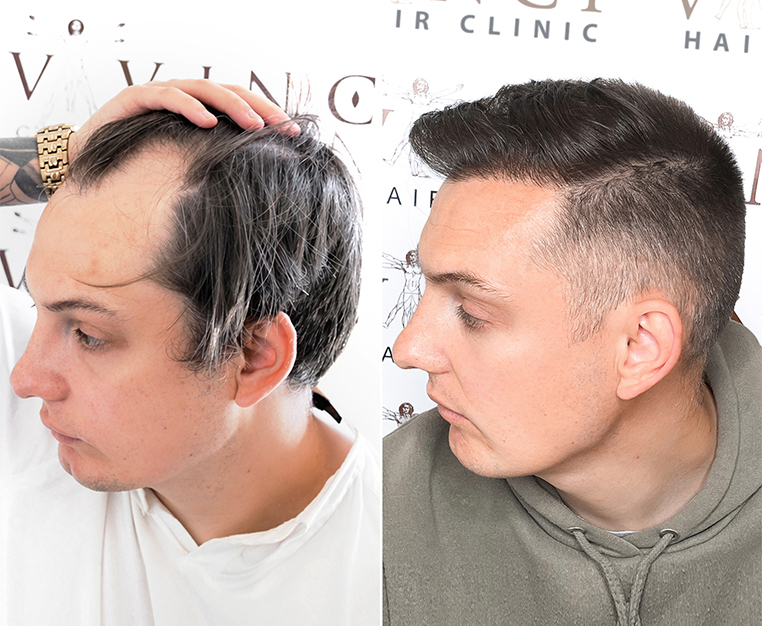
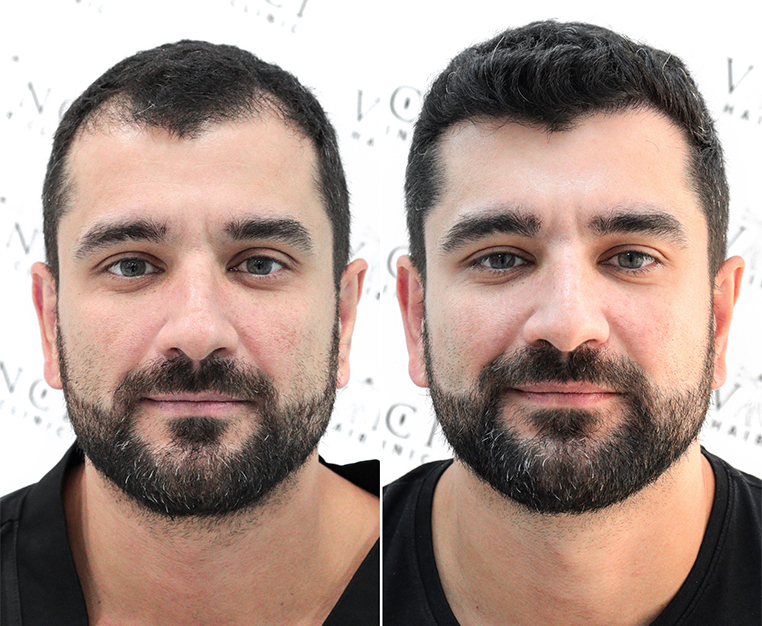
Beyond medication, several supportive measures can help. Platelet-rich plasma therapy is sometimes used to support follicle health; you can read about how PRP supports hair regrowth in our dedicated guide. For cosmetic camouflage of patches or thinning areas, micro scalp pigmentation can create the appearance of fuller coverage. A specialist can advise which combination, if any, suits your situation.
It is important to set realistic expectations about treatment. Even with active management, response varies: some people regrow hair quickly, others respond slowly, and a minority see little change. Treatments aim to encourage regrowth and reduce the immune attack rather than to “cure” the condition outright. For this reason, many specialists favour a stepped approach — starting with simpler, lower-risk options for limited patches and reserving more intensive treatments such as immunotherapy or JAK inhibitors for extensive or persistent loss. Patience is often required, as it can take several months to judge whether a given treatment is working.
Can hair grow back after alopecia areata?
Yes, hair frequently grows back after alopecia areata, often within several months to a year, especially in milder patchy cases. Because the follicles are not permanently destroyed, regrowth is genuinely possible even without treatment. However, the course is unpredictable.
Some key points to set realistic expectations:
- Regrown hair may initially be fine, white or grey before returning to its normal colour and thickness.
- Hair loss can recur, and patches may come and go over time.
- More extensive forms (totalis and universalis) are less likely to regrow fully and are harder to treat.
- Early specialist assessment gives the best chance of choosing an effective approach.
Because outcomes vary so much from person to person, individual assessment by an experienced specialist is essential before deciding on any treatment plan.
How can you cope with the emotional impact of alopecia areata?
The psychological impact of alopecia areata is significant and should not be underestimated. Sudden, visible hair loss can affect confidence, identity and mental wellbeing. Acknowledging this is an important part of managing the condition.
Helpful steps include:
- Speaking to a specialist early so you understand your options and are not left guessing.
- Connecting with patient support groups, which offer practical advice and shared experience.
- Considering cosmetic solutions such as scalp pigmentation, hairpieces or styling to manage appearance while you decide on treatment.
- Seeking support from your GP or a counsellor if the condition is affecting your mood or daily life.
At Vinci Hair Clinic, we approach hair loss with both clinical expertise and genuine understanding of its emotional weight, helping patients make calm, well-informed decisions.
Frequently Asked Questions
Is alopecia areata permanent?
Alopecia areata is not usually permanent. Because the hair follicles are not destroyed, hair often regrows, sometimes without treatment. However, the condition is unpredictable and can recur, and extensive forms are less likely to fully resolve. Individual assessment helps set realistic expectations.
What is the main cause of alopecia areata hair loss?
Alopecia areata hair loss is caused by an autoimmune reaction in which the immune system attacks the hair follicles. Genetics, other autoimmune conditions and sometimes stress contribute, but it is not caused by poor hygiene, diet or hair products, and it is not contagious.
Can you have a hair transplant for alopecia areata?
A hair transplant is generally not recommended for active alopecia areata, because the immune system can attack transplanted follicles just as it does the original hair. Surgery is more suited to stable pattern hair loss. A specialist can advise on appropriate medical or cosmetic alternatives.
Does stress cause alopecia areata?
Stress is not the sole cause, but significant physical or emotional stress may act as a trigger in people who are already genetically susceptible. The underlying cause is an autoimmune process, so managing stress alone will not necessarily prevent or cure the condition.
What treatments help alopecia areata regrow hair?
Common treatments include corticosteroid injections, topical steroids, topical immunotherapy, minoxidil and, for severe cases, JAK inhibitors. Supportive options such as PRP may also be used. The most suitable approach depends on the extent of loss and should be guided by a specialist.
If you are experiencing patchy hair loss and are unsure whether it is alopecia areata or another condition, an accurate diagnosis is the essential first step. Book a free, no-obligation consultation with Vinci Hair Clinic to have your hair loss assessed by experienced specialists and to discuss the treatment and support options best suited to you.

 UK Store