


When South Korean President Lee Jae Myung recently suggested that hair loss treatment should be covered by national health insurance, his wording quickly attracted international attention. By describing hair loss as “a matter of survival,” he sparked a debate that moved far beyond politics, touching on healthcare priorities, cultural pressure, and personal identity.
To some, the proposal sounded unnecessary or even opportunistic. To others—particularly younger people already dealing with hair loss—it felt like overdue acknowledgement. Beneath the headlines lies a more important question: has hair loss been dismissed for too long as merely cosmetic?
From a hair restoration perspective, this is not a new discussion, but its arrival on the political stage is significant.
Why the President’s Comments Resonated
South Korea’s appearance-driven culture places intense pressure on how people look, particularly when it comes to hair. In that context, hair loss can carry a heavy emotional and social toll, especially for younger adults.
Government data cited in coverage of the debate shows that around 40% of hospital visits for hair loss involve people in their 20s and 30s. That figure challenges the idea that hair loss is simply a concern of ageing. President Lee’s remarks reflect a broader shift in how people experience hair loss today—not as vanity, but as something that affects confidence, social interactions, and self-worth.
Medical Condition or Quality-of-Life Issue?
Critics of the proposal are technically correct: hereditary hair loss does not usually threaten physical health. In healthcare systems under financial strain, prioritisation matters.
However, medicine has long recognised that conditions do not need to be fatal to warrant attention. Mental health disorders, chronic skin conditions, and pain syndromes are treated because they significantly affect quality of life. Hair loss often sits in the same category. Patients frequently report anxiety, reduced confidence, and social withdrawal. While it may not end lives, it can quietly reshape them.
Why Younger Generations Are Driving the Conversation
One reason this debate has gained momentum is timing. Hair loss is appearing earlier, driven by genetics, stress, hormonal changes, and lifestyle factors. Many people now experience visible thinning while building careers and relationships.
In competitive societies, appearance can influence confidence and perceived professionalism. This helps explain why younger adults responded positively to the president’s comments, even while questioning whether public funding is the right solution. Clinically, it reinforces the importance of early assessment rather than dismissing concerns as superficial.
The Risk of Oversimplifying Hair Loss Treatment
Public debate often reduces hair loss treatment to a pill or cosmetic fix. In reality, hair loss is complex. Different forms of alopecia progress differently and respond to different treatments, often requiring long-term management rather than quick solutions.
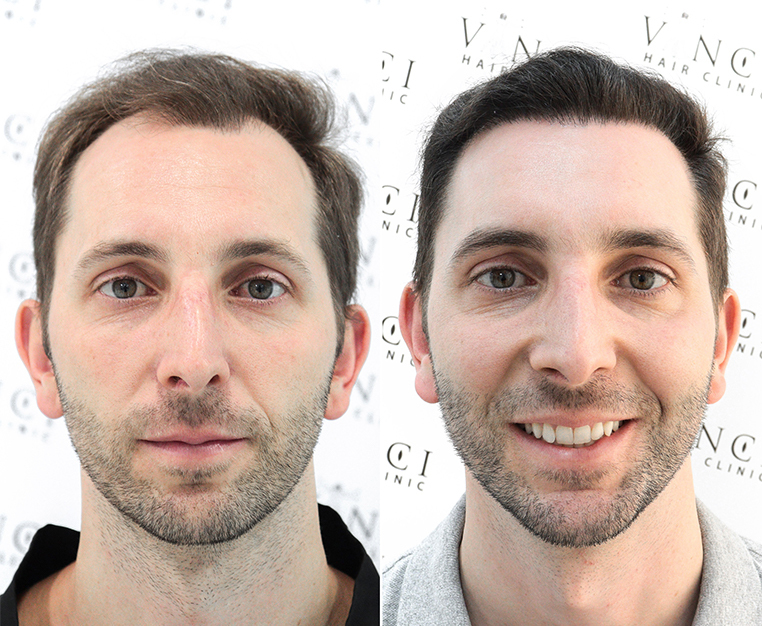
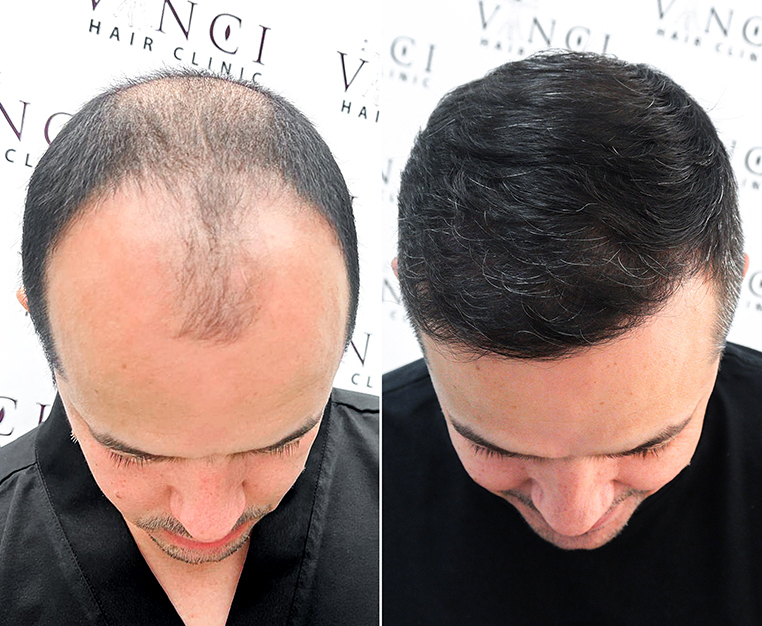
At Vinci Hair Clinic, consultations focus on understanding the underlying cause, stage of hair loss, and appropriate treatment pathway for each individual. This nuance is often missing from political discussions but is critical to achieving meaningful results.
What This Global Debate Gets Right
While controversial, President Lee’s core point is valid: hair loss should not automatically be trivialised. Acknowledging its psychological and social impact helps reduce stigma and encourages people to seek credible, professional advice rather than misinformation or unregulated products.
The real value of this conversation lies not in policy alone, but in shifting attitudes. When public discussions take hair loss seriously, patients are more likely to pursue informed, ethical care.
Although the debate began in South Korea, it reflects a global shift. At Vinci Hair Clinic, the focus remains on education, individualised treatment, and long-term outcomes—not political trends. But when public dialogue helps normalise hair loss and encourages better decision-making, that momentum is worth recognising.

 UK Store