


Losing weight can be a major achievement for your health and confidence. However, it can come with an unexpected side effect for some—hair loss.
If you’ve noticed thinning around your temples or more hair falling out after losing weight, you’re not imagining it. Hair loss after weight loss is a documented and common occurrence, and it can be bewildering to experience after working hard to improve your overall wellbeing.
This guide will explore the reasons behind hair loss after weight loss, whether it’s permanent, and the steps you can take to encourage healthy regrowth.
Why Does Hair Loss Happen After Weight Loss?
When your body undergoes significant or sudden changes—whether from rapid weight loss, restrictive diets, or post-surgery recovery—it can sometimes trigger a condition called telogen effluvium.
Telogen effluvium occurs when a large number of hair follicles enter the resting, or “telogen,” phase of the hair growth cycle prematurely. A few months later, these resting hairs begin to shed all at once, leading to noticeable thinning.
Common triggers of hair loss related to weight loss include:
- Crash dieting: Severe calorie restrictions can reduce the nutrients available for hair growth.
- Nutritional deficiencies: Lacking protein, iron, zinc, biotin, or other key nutrients can weaken hair follicles.
- Physical stress: Rapid weight loss or surgery can place stress on the body.
- Hormonal changes: Changes in body fat levels can disrupt hormonal balance, impacting hair growth.
Is Hair Loss After Weight Loss Permanent?
For most people, no. Hair shedding caused by telogen effluvium is typically temporary, and hair growth resumes once the body adjusts and nutrient levels stabilise.
However, if underlying hair loss conditions are present—such as:
- Female pattern hair loss (androgenetic alopecia),
- Male pattern baldness, or
- Autoimmune issues (e.g., alopecia areata)—the weight loss may make these more apparent.
If your hair doesn’t begin to recover within six months, or if you notice receding areas, bald spots, or persistent thinning, it’s advisable to seek advice from a professional.
Essential Nutrients for Healthy Hair Post-Weight Loss
For hair to thrive, it requires specific nutrients your body may be lacking after weight loss. Key components for hair health include:
- Protein: Necessary for producing keratin, the primary structural protein of hair.
- Iron: Ensures adequate blood circulation to the scalp.
- Zinc: Supports tissue repair and follicular health.
- Biotin (Vitamin B7): Aids in strengthening hair strands.
- Vitamin D: Promotes healthy follicle cycling and boosts scalp health.
Improving your diet or adding targeted supplements can supply the necessary building blocks to encourage hair regrowth.
Supporting Hair Recovery at Vinci Hair Clinic
At Vinci Hair Clinic, we understand how distressing hair loss can be—especially after achieving a milestone like losing weight. That’s why we offer a range of clinically supported treatments to encourage hair regeneration and restore lost volume, including:
1. PRP Therapy (Platelet-Rich Plasma)
This natural, minimally invasive treatment uses growth factors from your blood to stimulate dormant hair follicles, encourage regrowth, and improve hair quality—all without downtime.
2. Maxogaine (Minoxidil)
A topical treatment designed to improve scalp circulation, strengthen hair follicles, and extend the natural growth phase.
3. Micronutrient Testing and Diet Plans
We begin with a detailed analysis of your nutrient levels to identify any deficiencies, before creating tailored nutrition or supplement plans for hair and overall health improvement.
4. FUE Hair Transplants
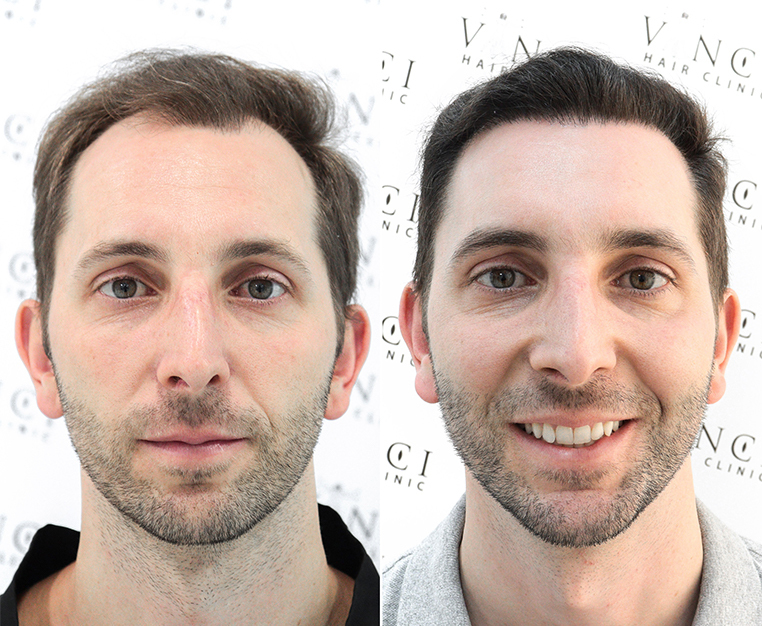
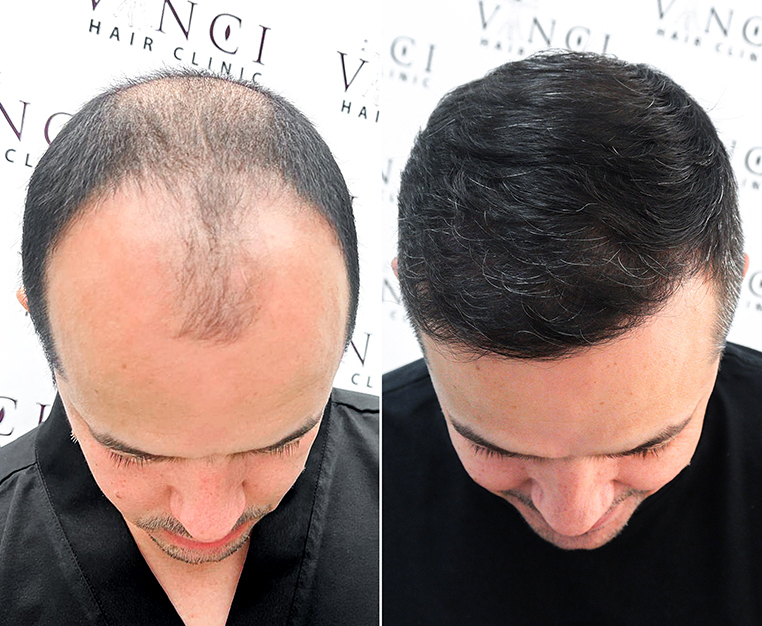
For clients with hereditary hair loss patterns triggered by weight loss, our minimally invasive Follicular Unit Extraction (FUE) technique provides long-lasting, natural results.
Tips to Prevent Hair Loss During Weight Loss
If you’re planning to lose weight—or already in the process—these steps can help protect your hair health:
- Avoid rapid weight loss: Sudden changes are more likely to shock the body and trigger shedding.
- Maintain balanced nutrition: Ensure adequate intake of protein, vitamins, and minerals throughout your diet.
- Manage stress: Incorporate relaxation techniques like mindfulness or yoga to minimise physical and emotional strain.
- Seek specialist advice: If you notice hair thinning, consult a trichologist or hair restoration expert early on.
Schedule a Free Hair Health Assessment
If you’ve experienced hair loss after losing weight, you’re not alone—and the good news is that it’s often reversible with the right approach. At Vinci Hair Clinic, our expert team can help identify the cause and develop a treatment plan to support healthy, sustainable regrowth.
Don’t hesitate—the earlier you act, the greater your chances of restoring your confidence and rediscovering healthier, fuller hair.

 UK Store