After Before 
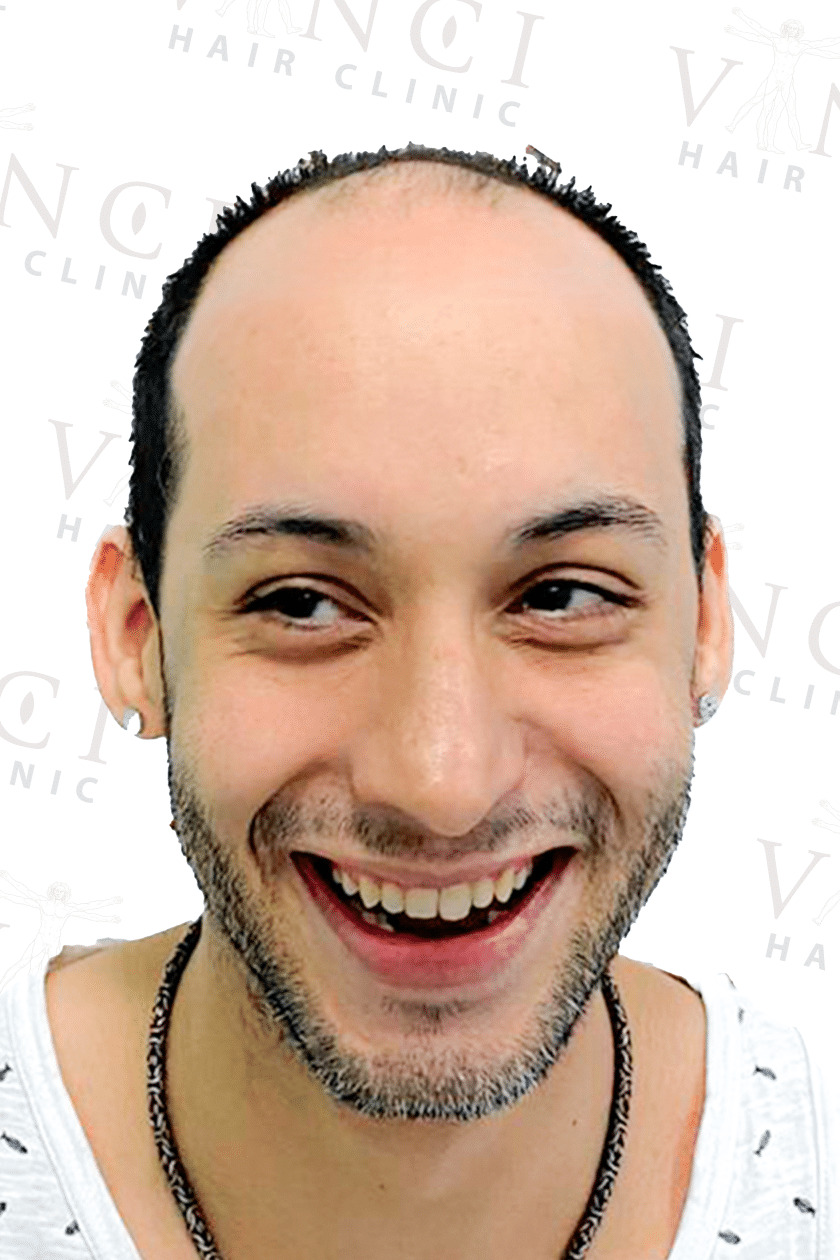
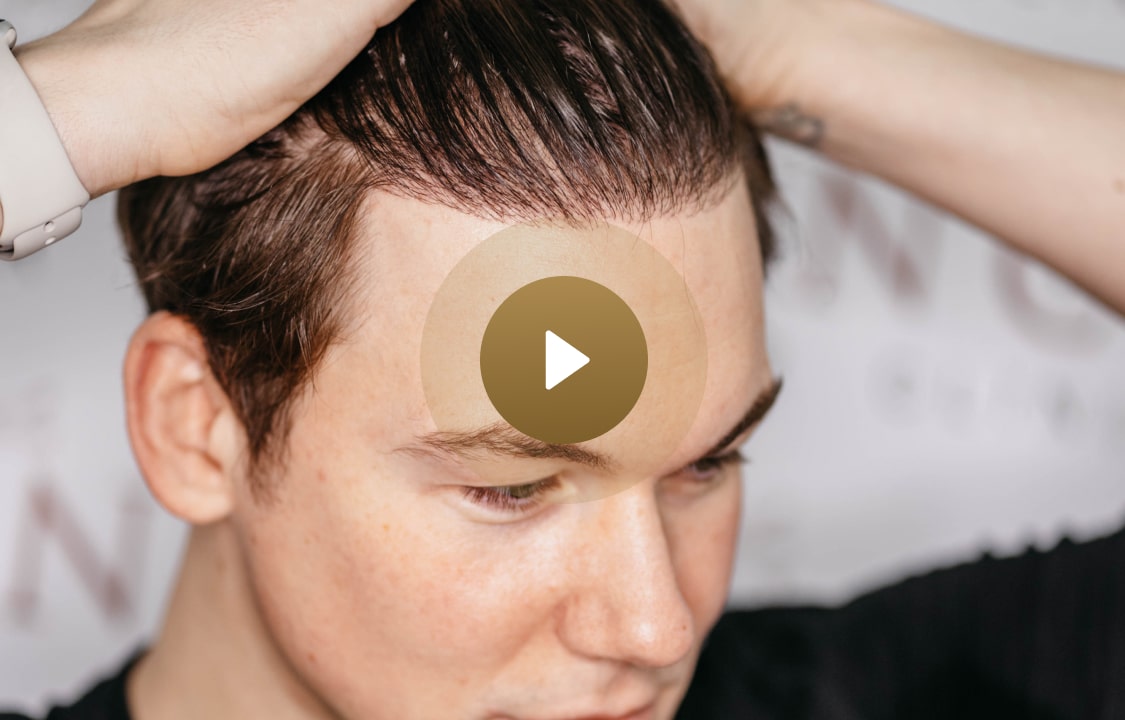
3,700 Grafts

Complete Hair Restoration
1 Year Post Op

Leader in the world of hair restoration for almost two decades.
Fill in our evaluation form and book a free face to face or
online consultation at one of our clinics! Fill in our evaluation form and book a free face to face or online consultation at one of our clinics!
Real lives, real people, life-changing stories. Over 100,000 satisfied clients!
3,700 Grafts
1 Year Post Op
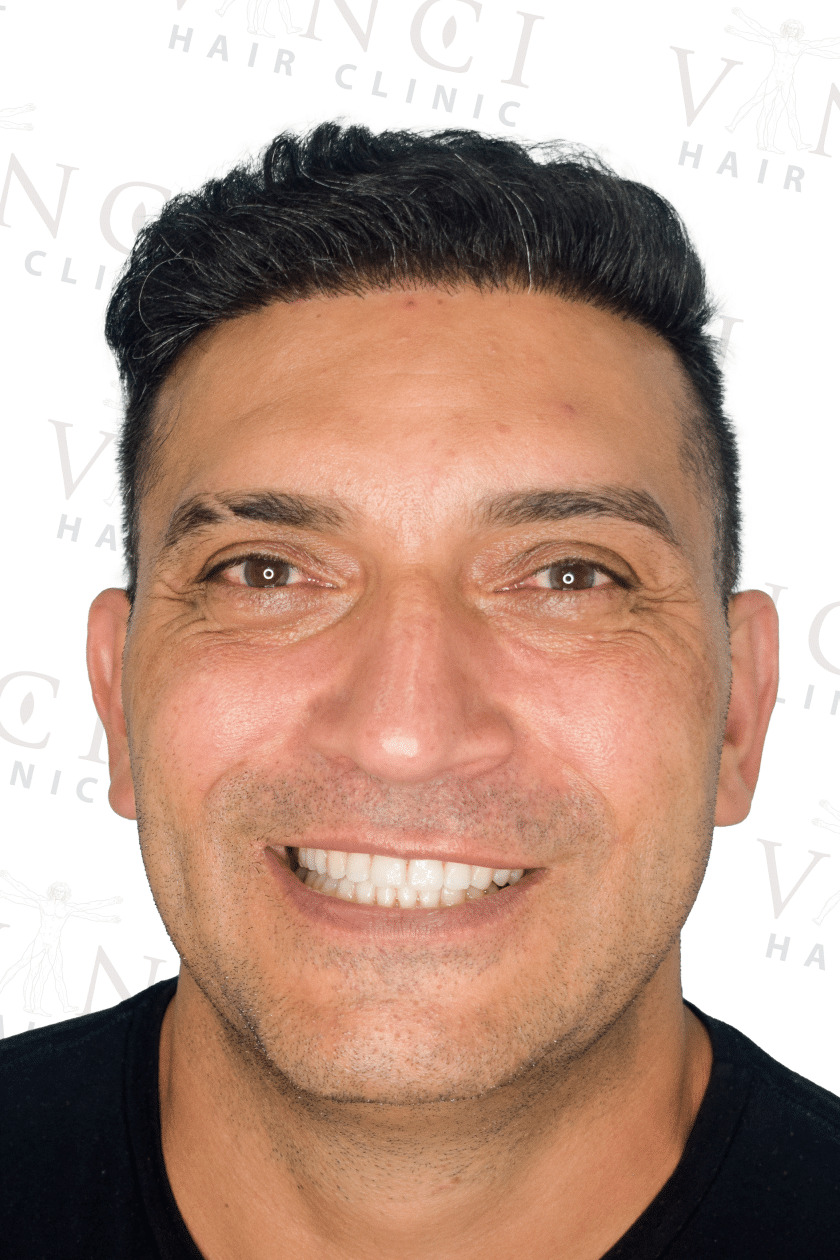
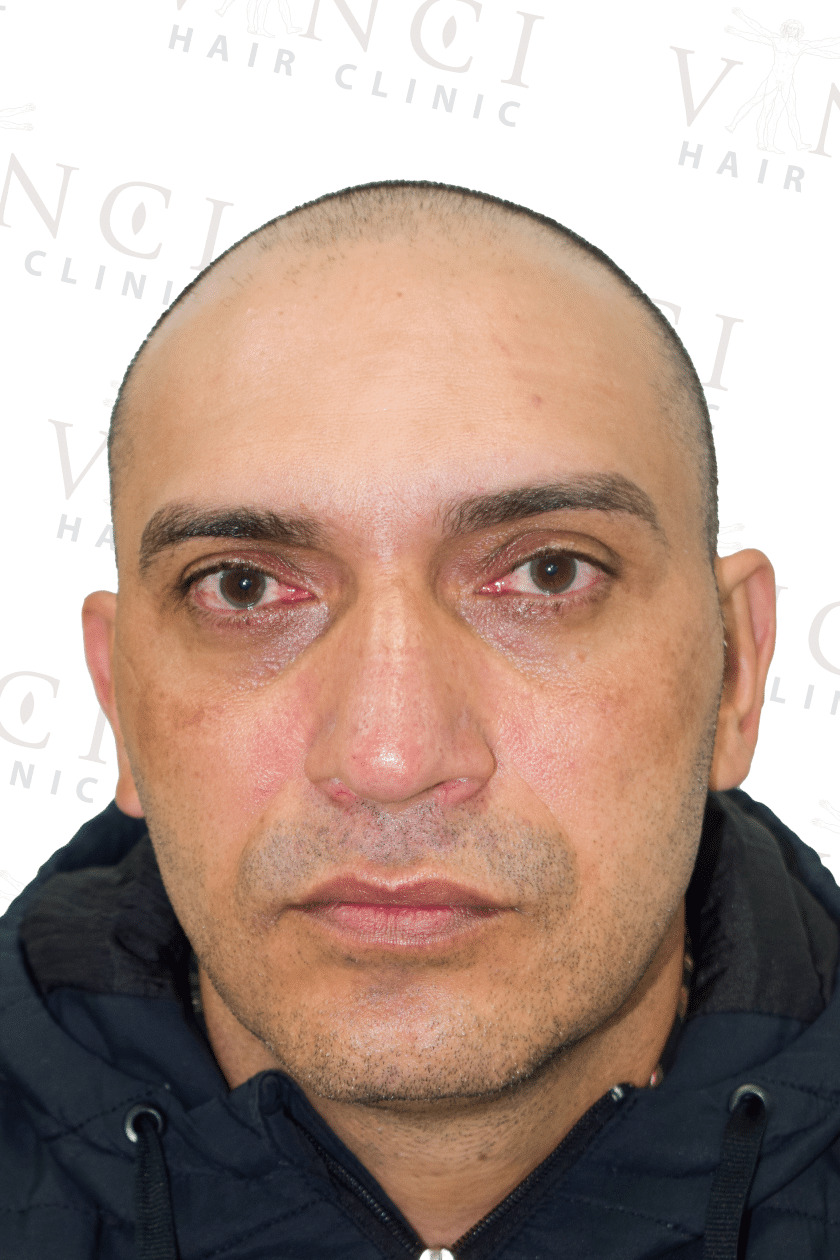
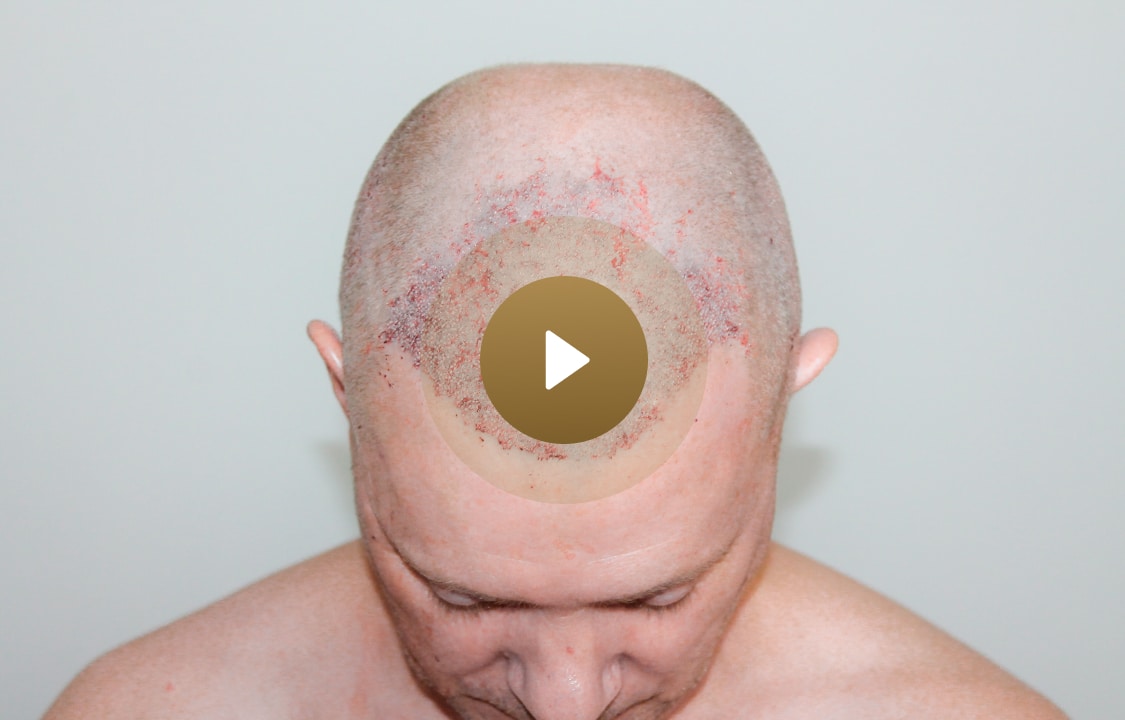
3,800 Grafts
1 Year Post Op
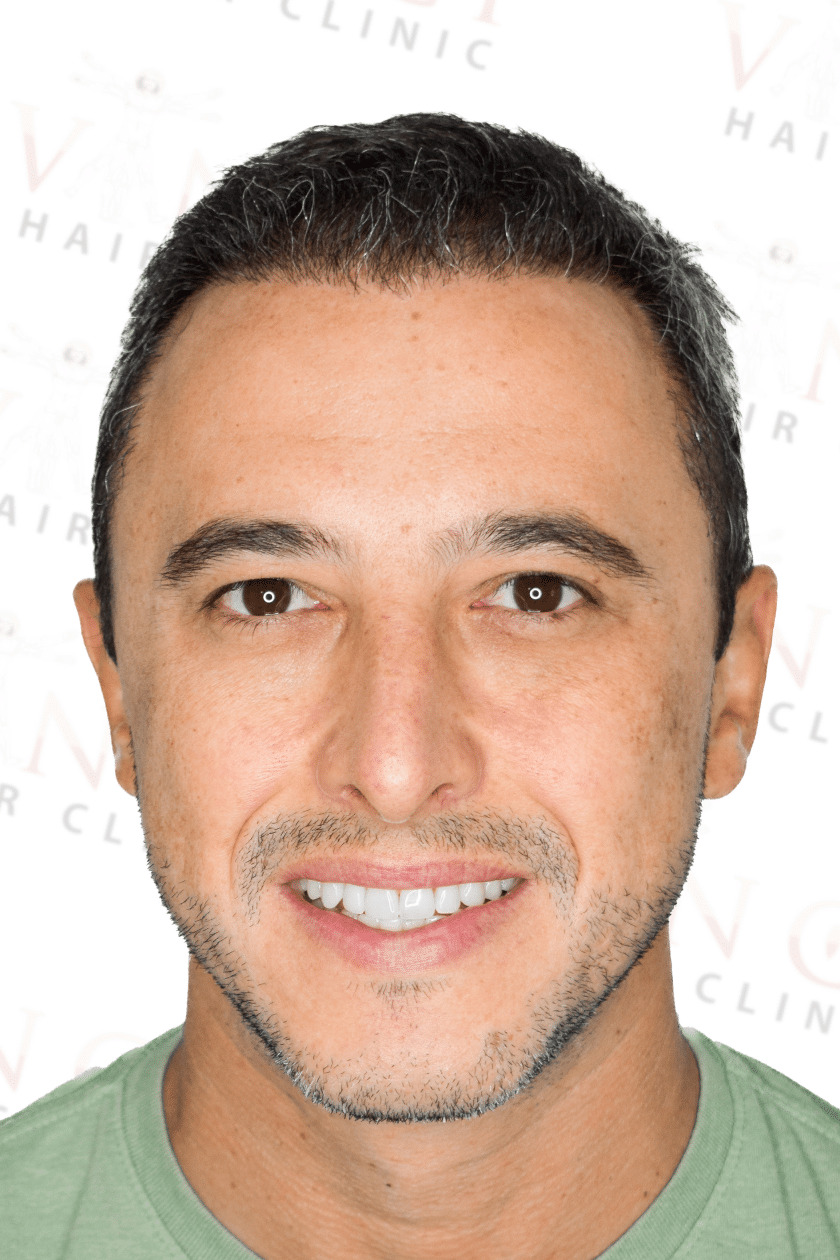
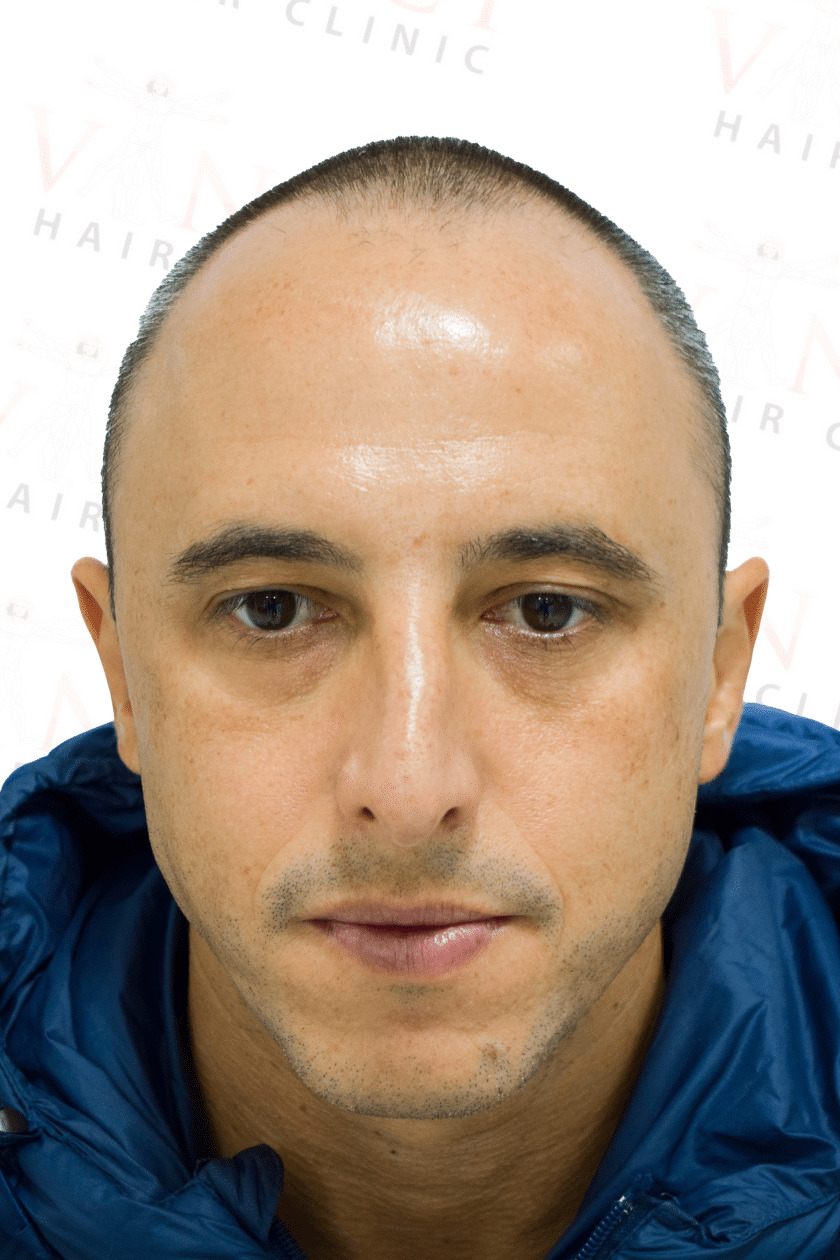
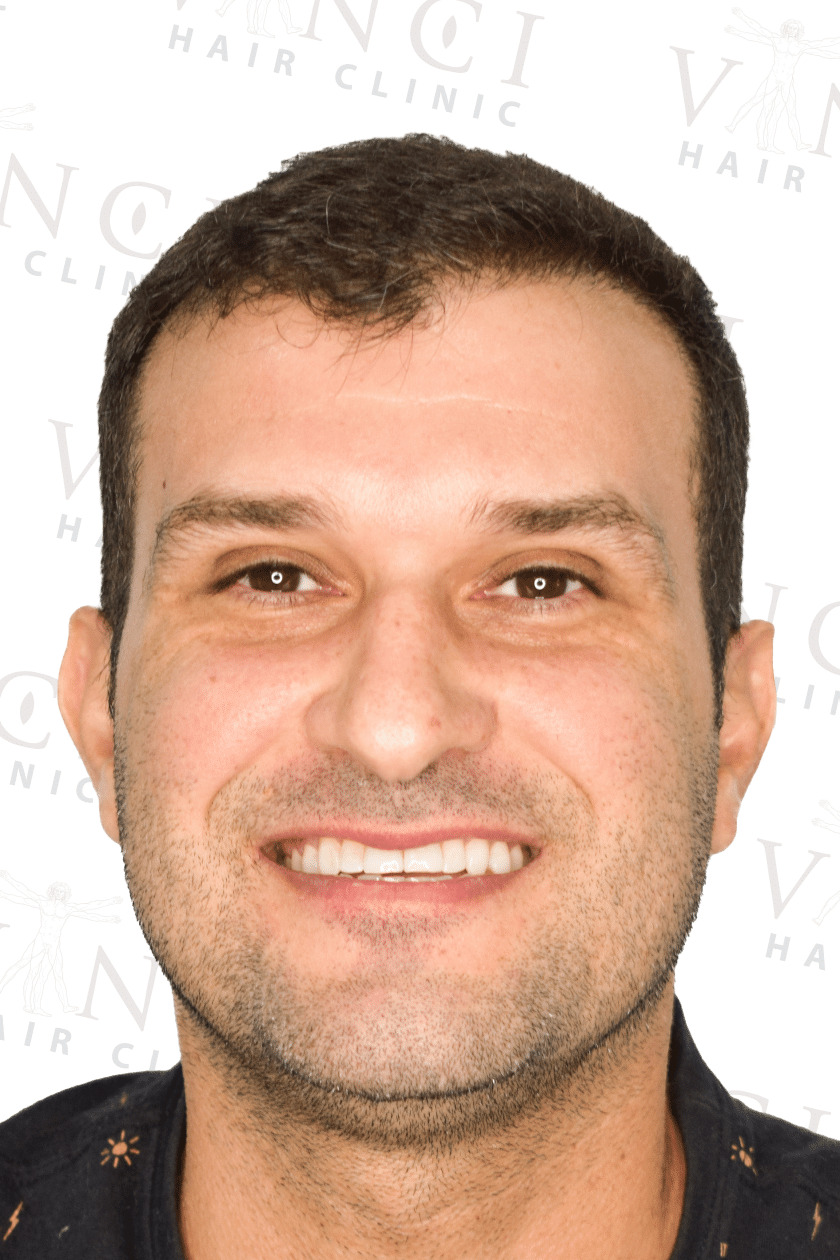
3,500 Grafts
6 Months Post Op
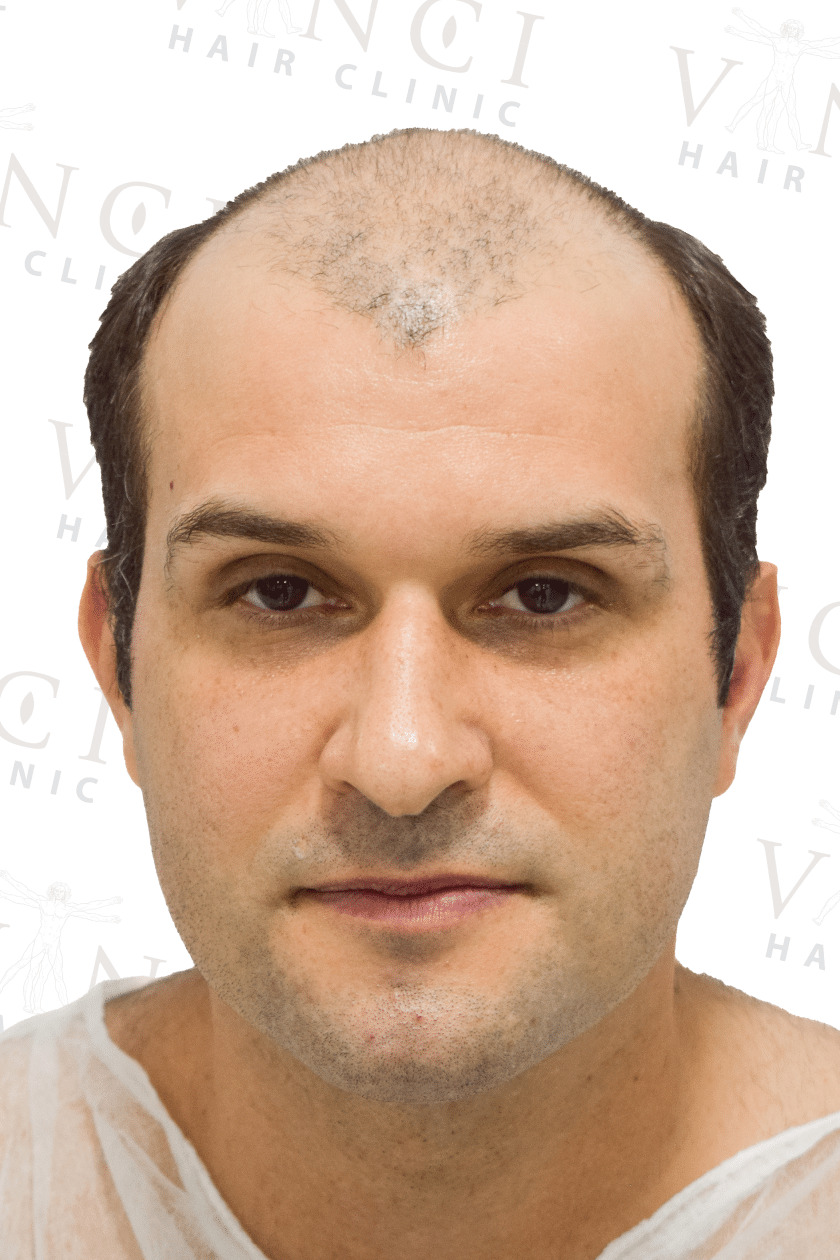
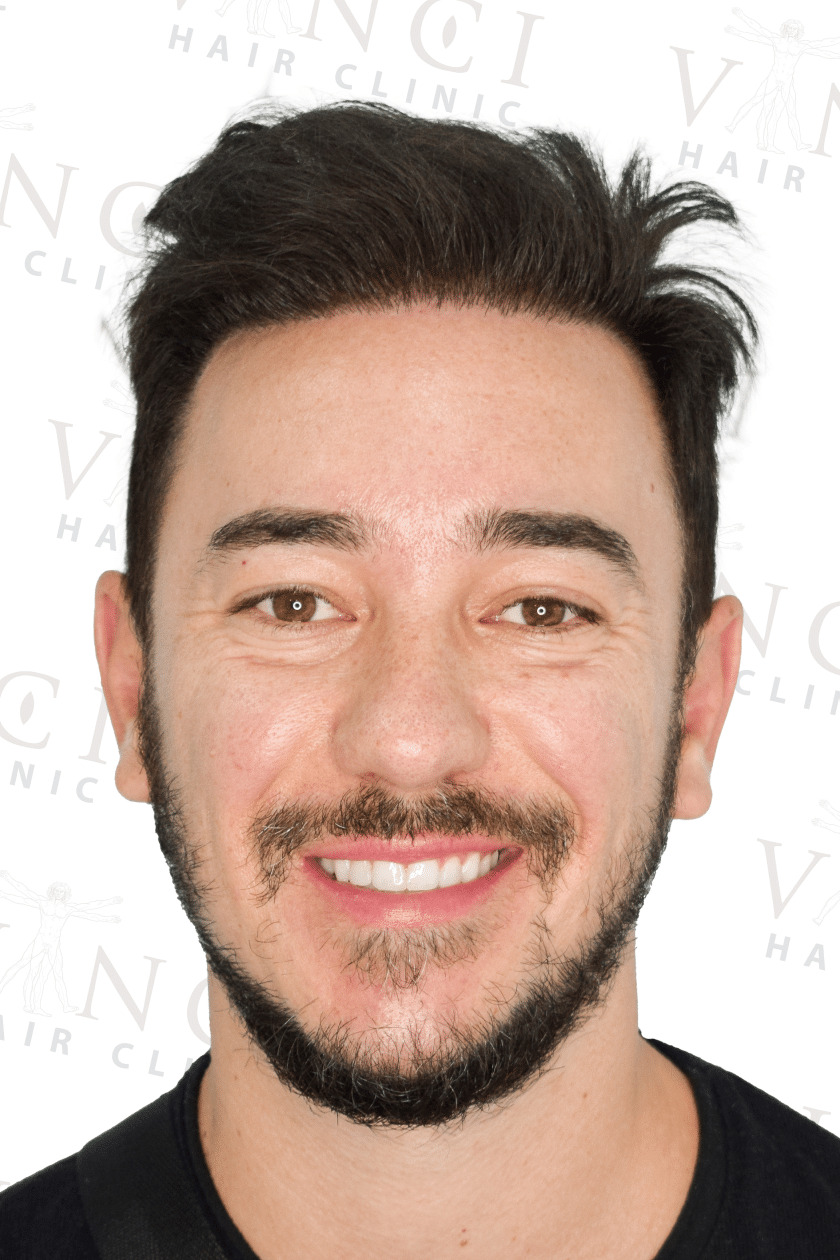
3,900 Grafts
6 Months Post Op
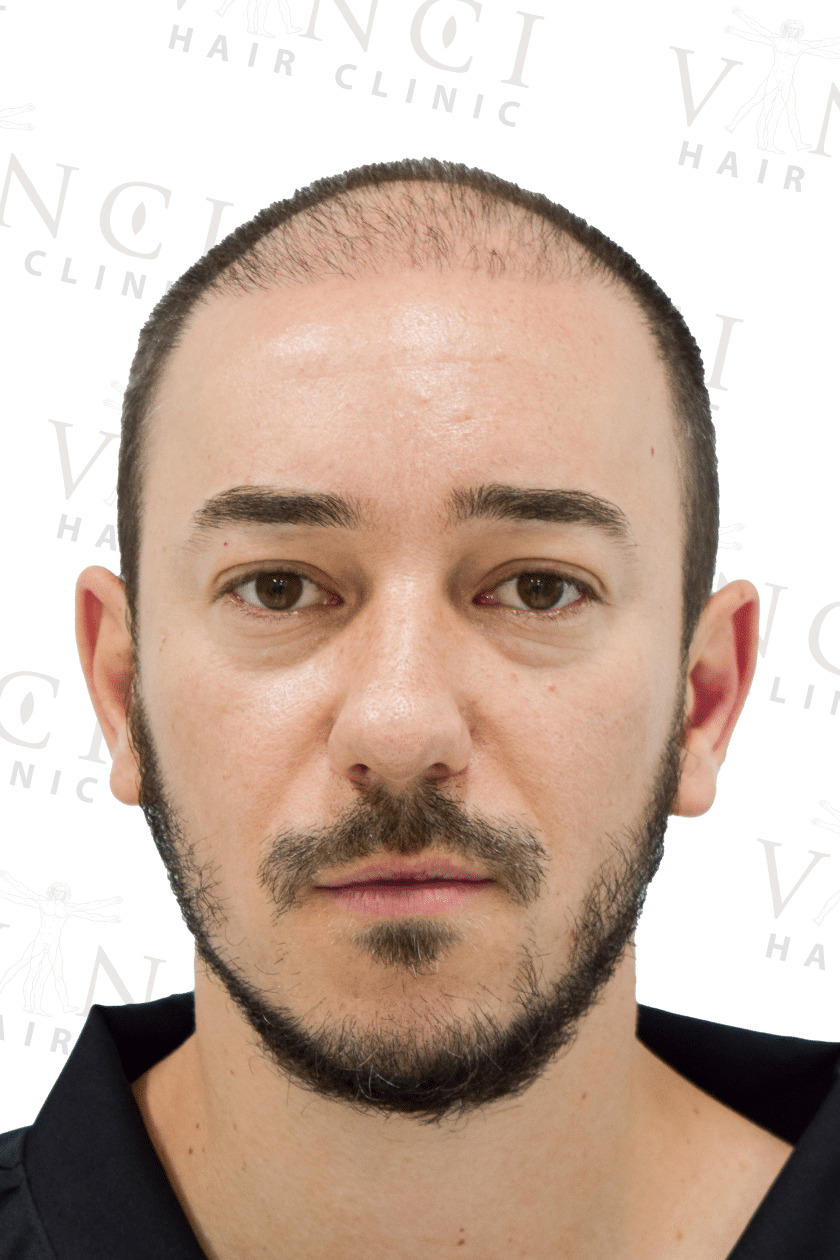
2,600 Grafts
6 Months Post Op
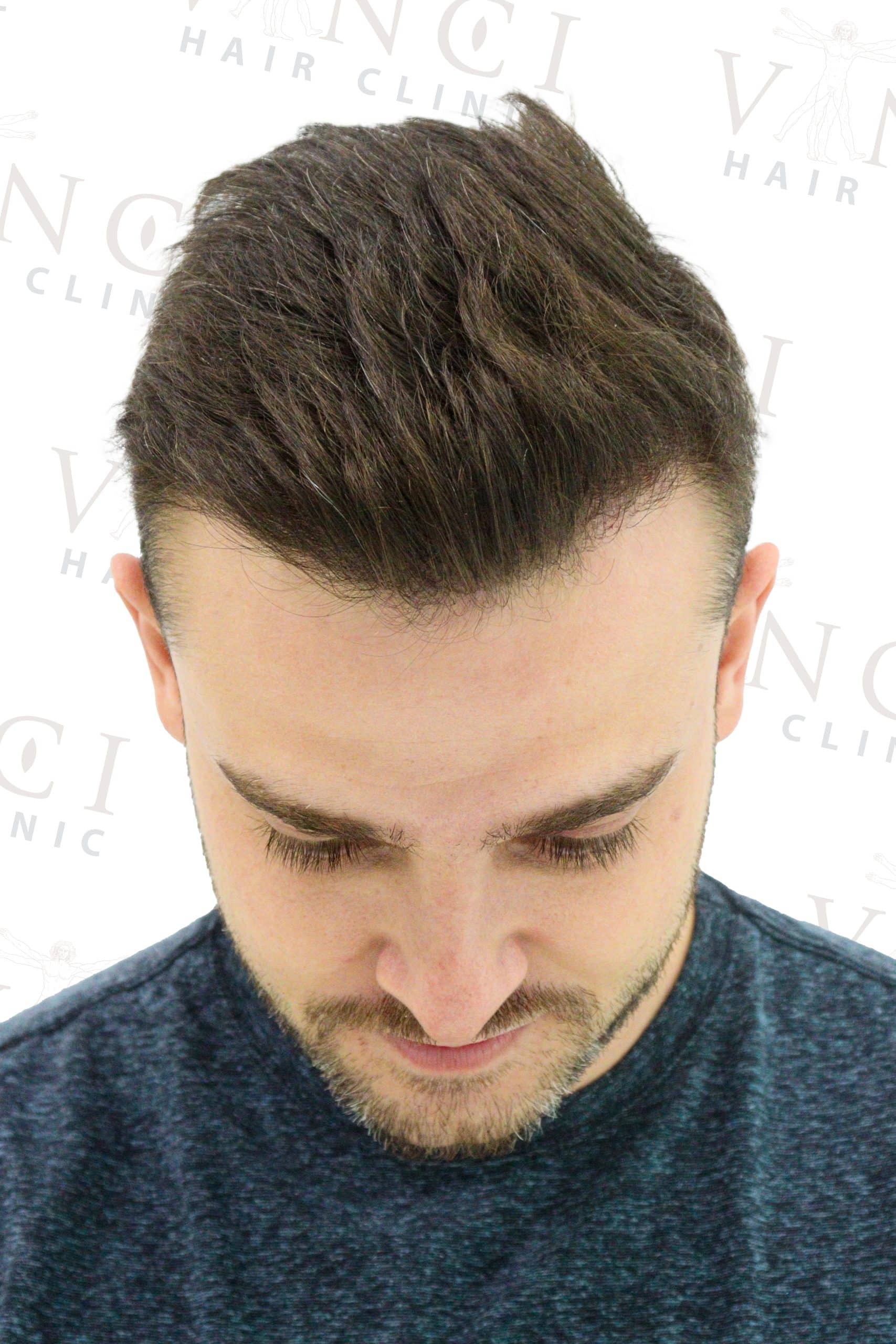
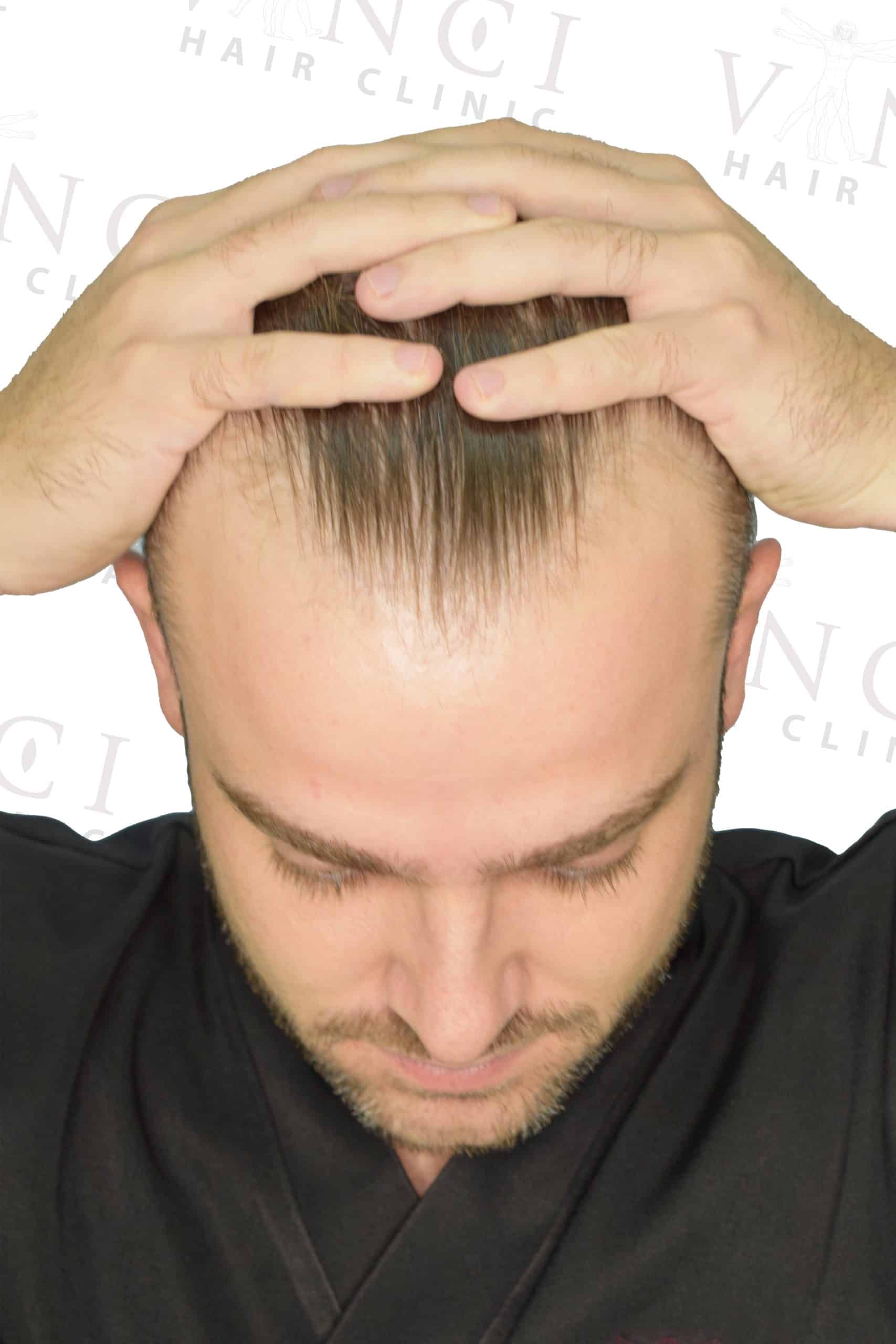
2,200 Grafts
6 Months Post Op
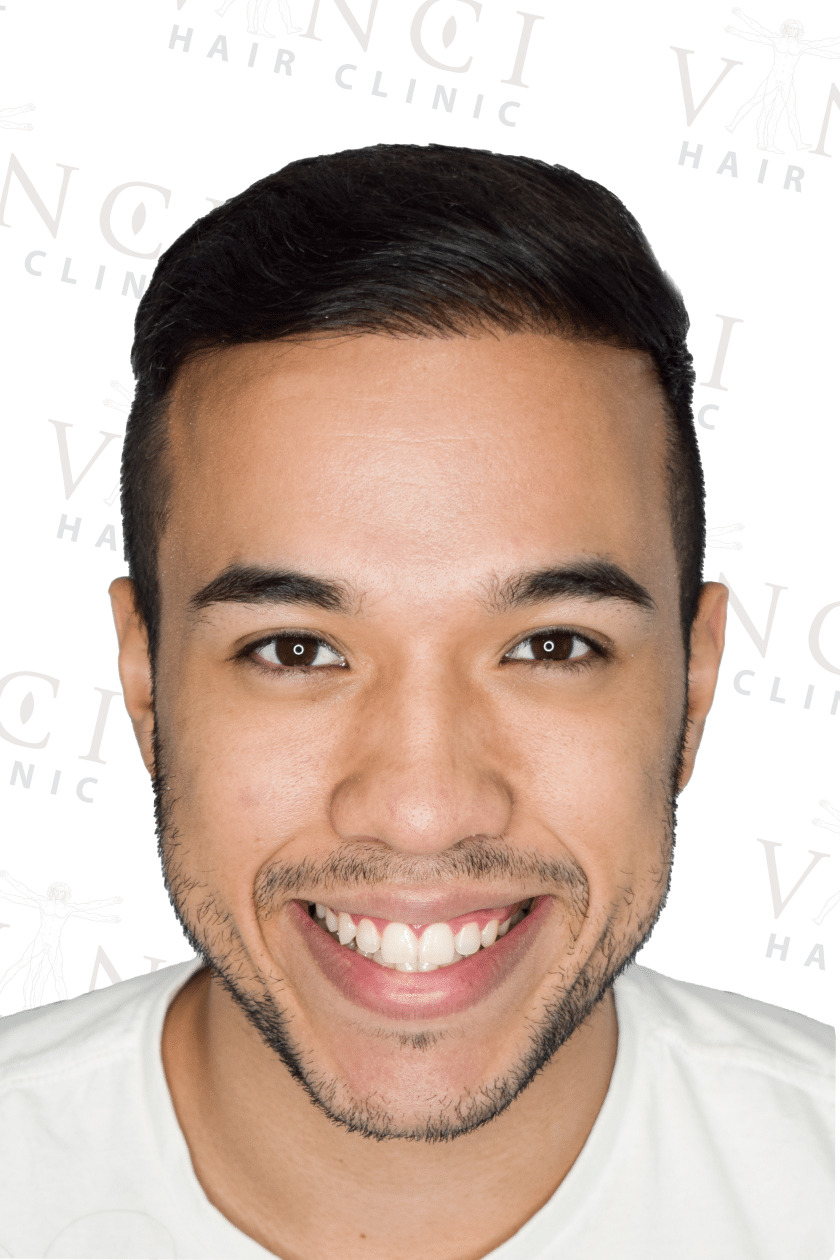
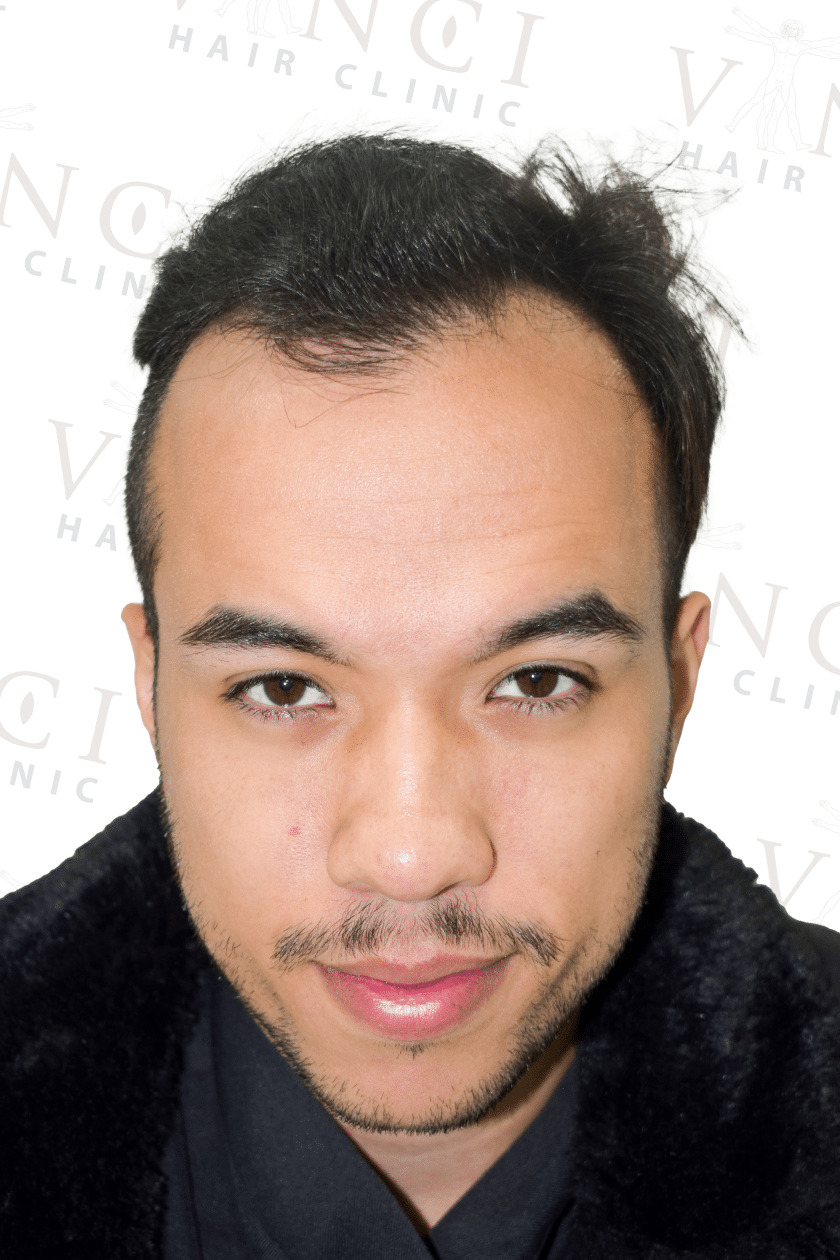
3,100 Grafts
6 Months Post Op
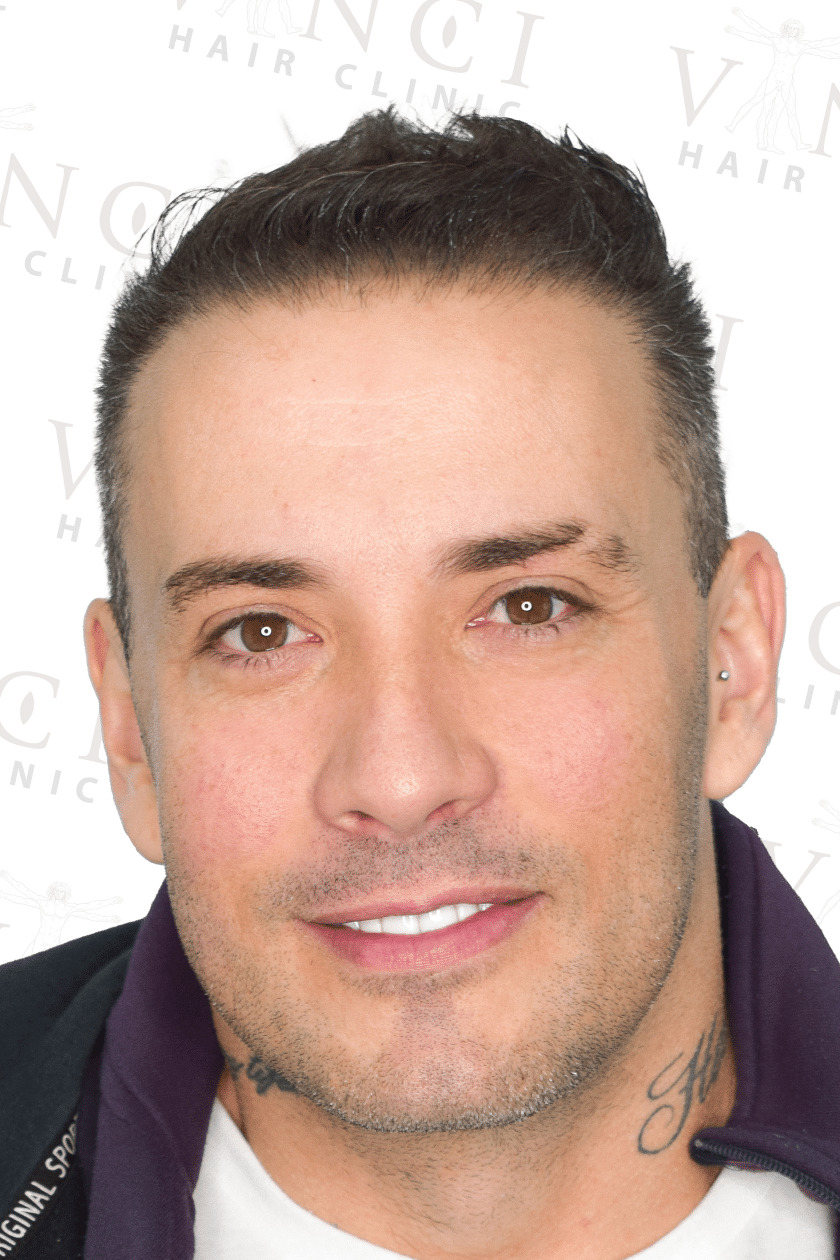
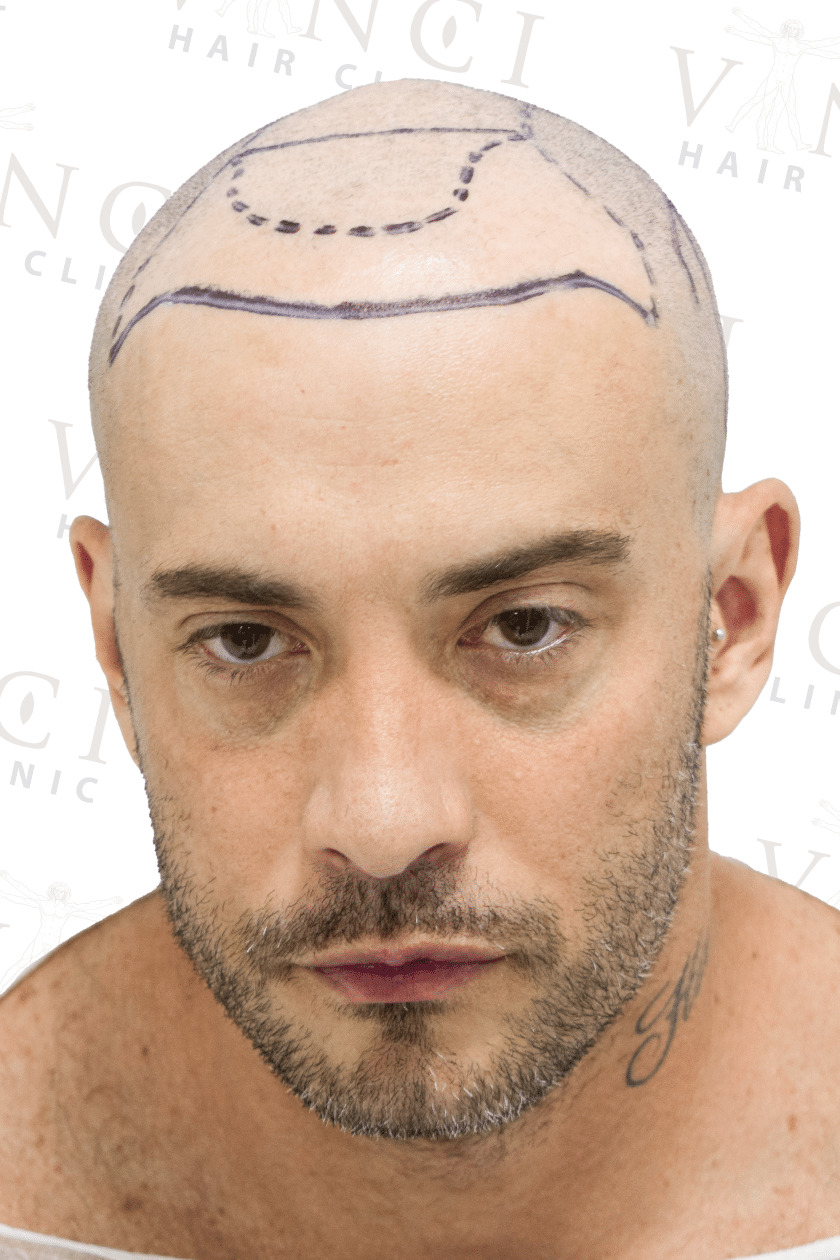
3,700 Grafts
6 Months Post Op
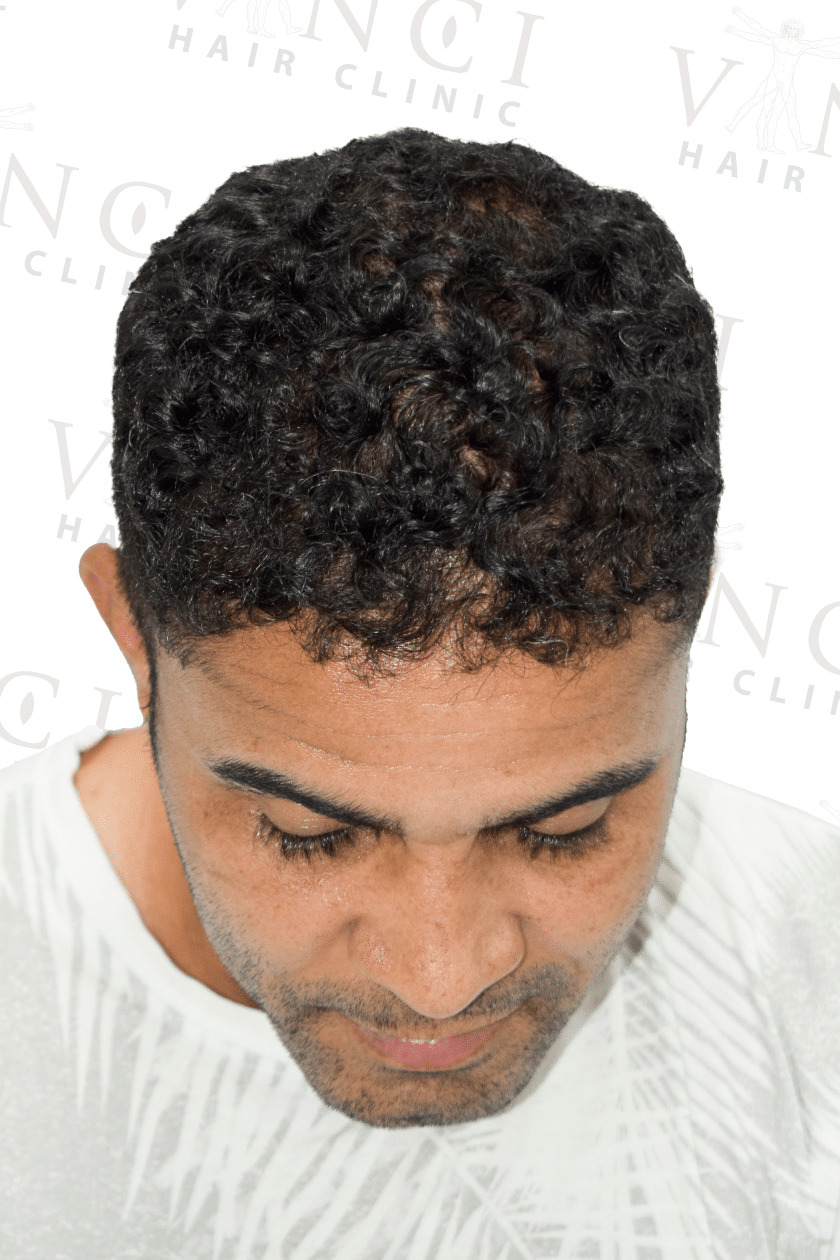
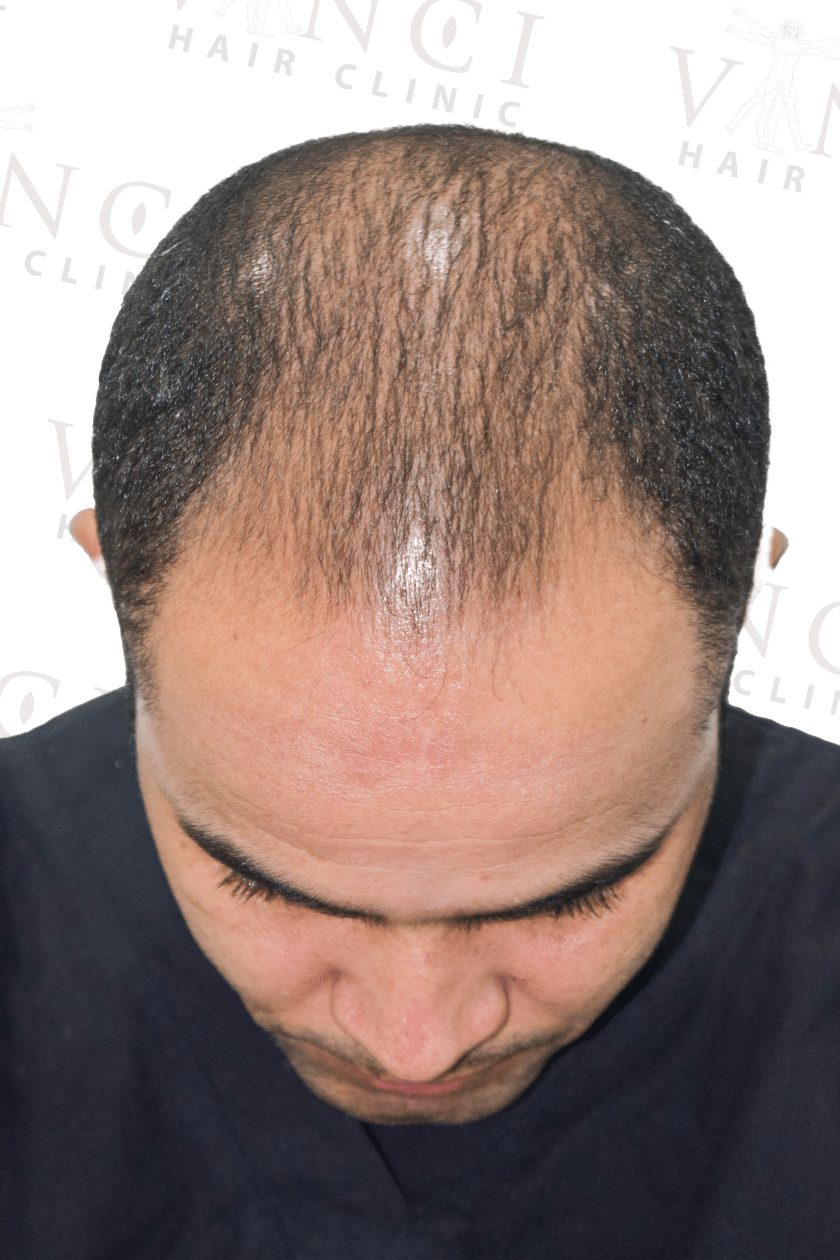
2,600 Grafts
6 Months Post Op
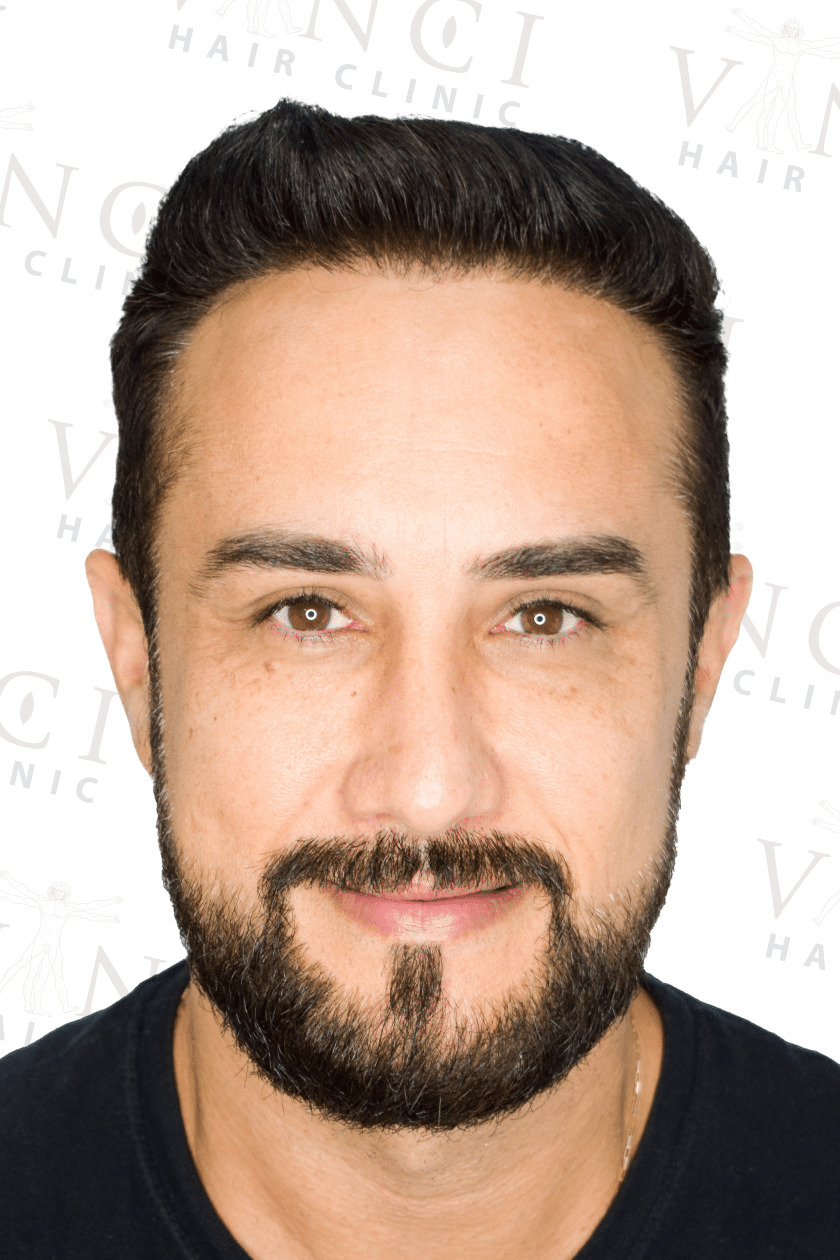
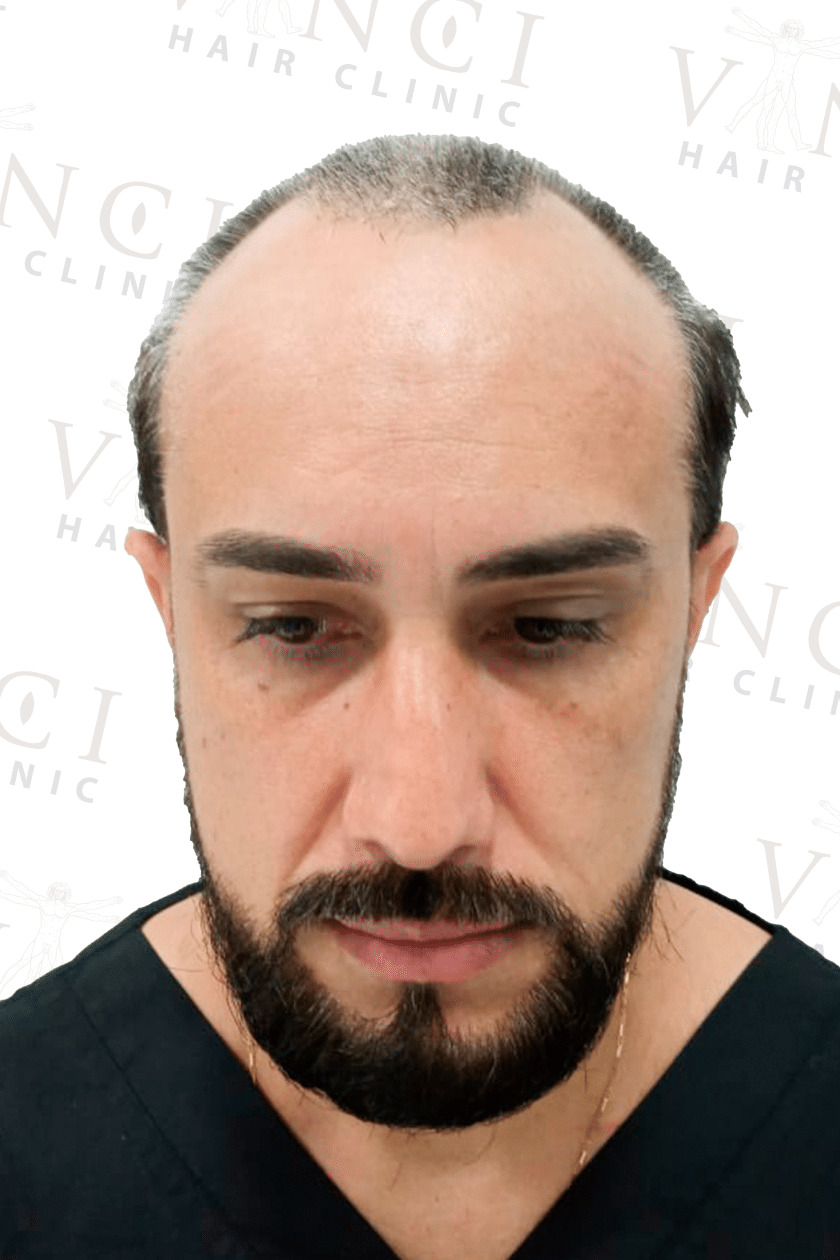
2,900 Grafts
6 Months Post Op
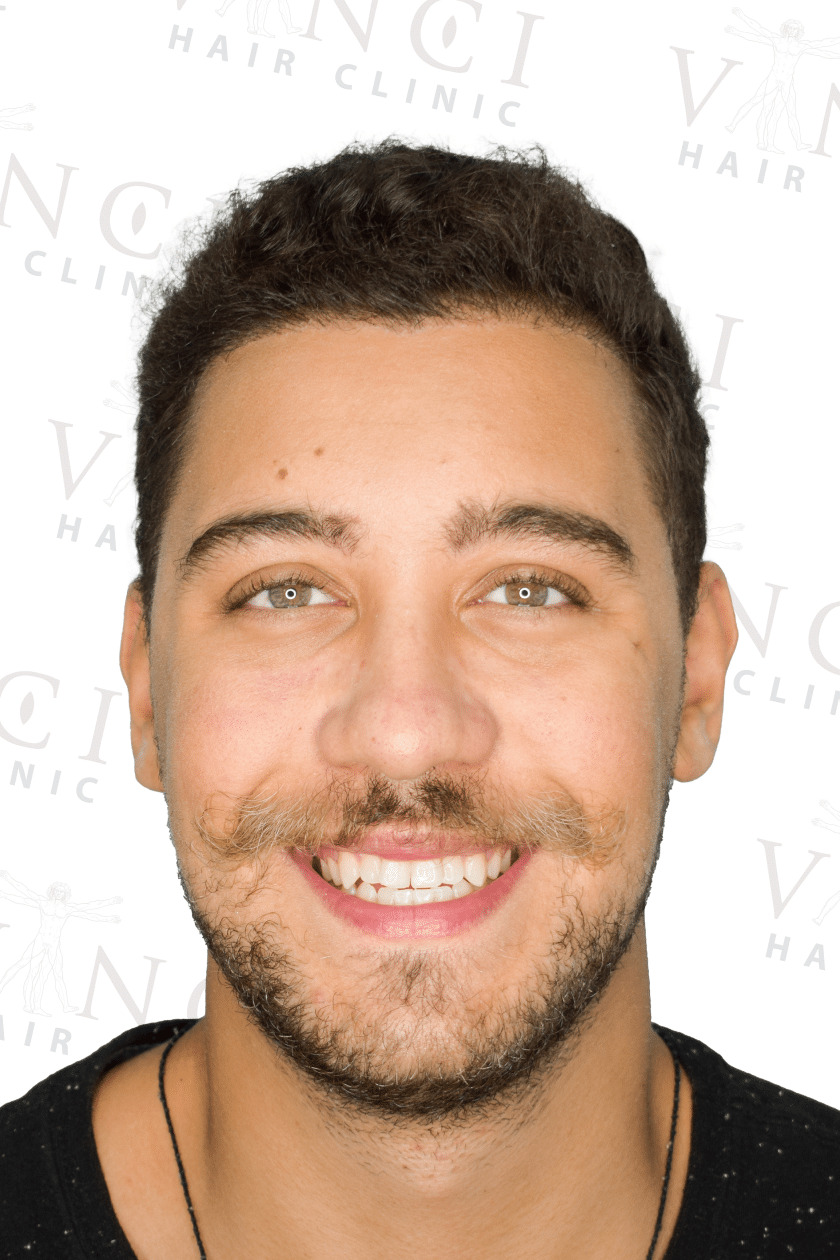
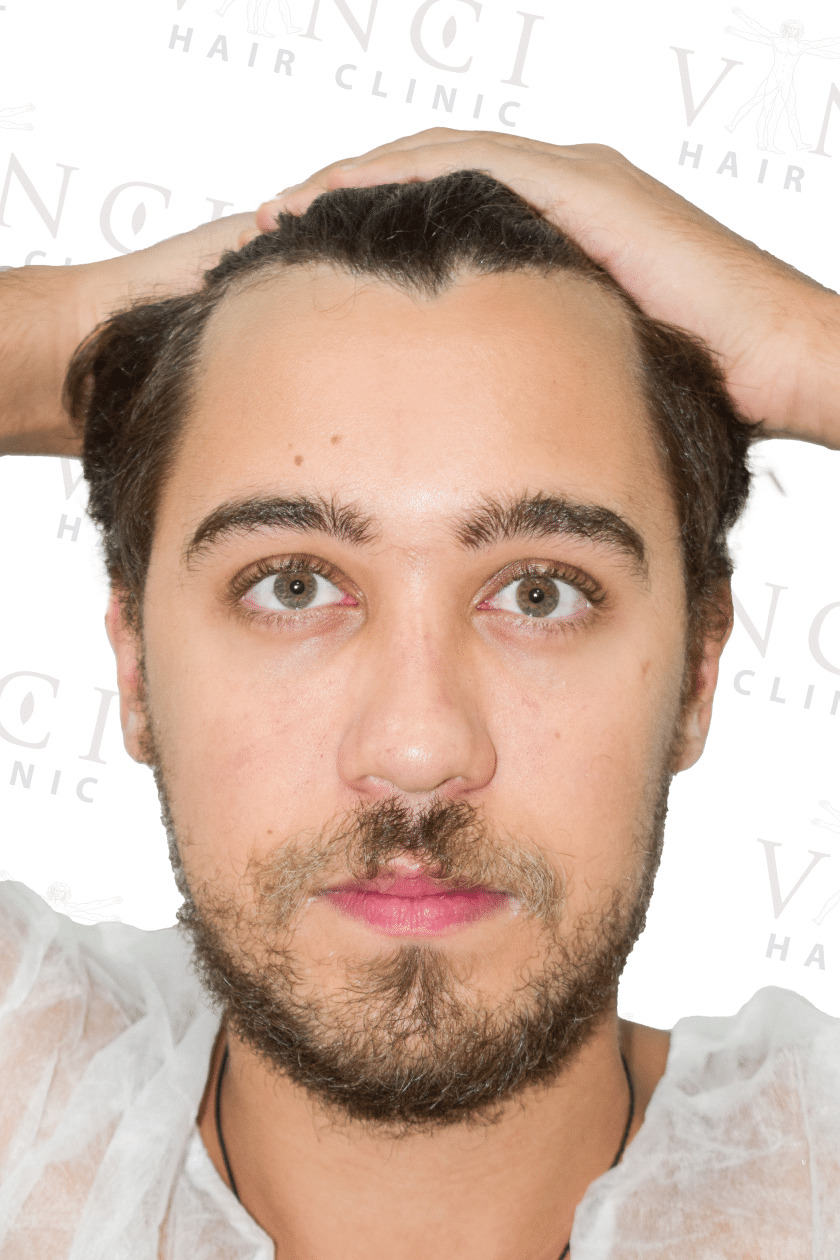
2,000 Grafts
6 Months Post Op
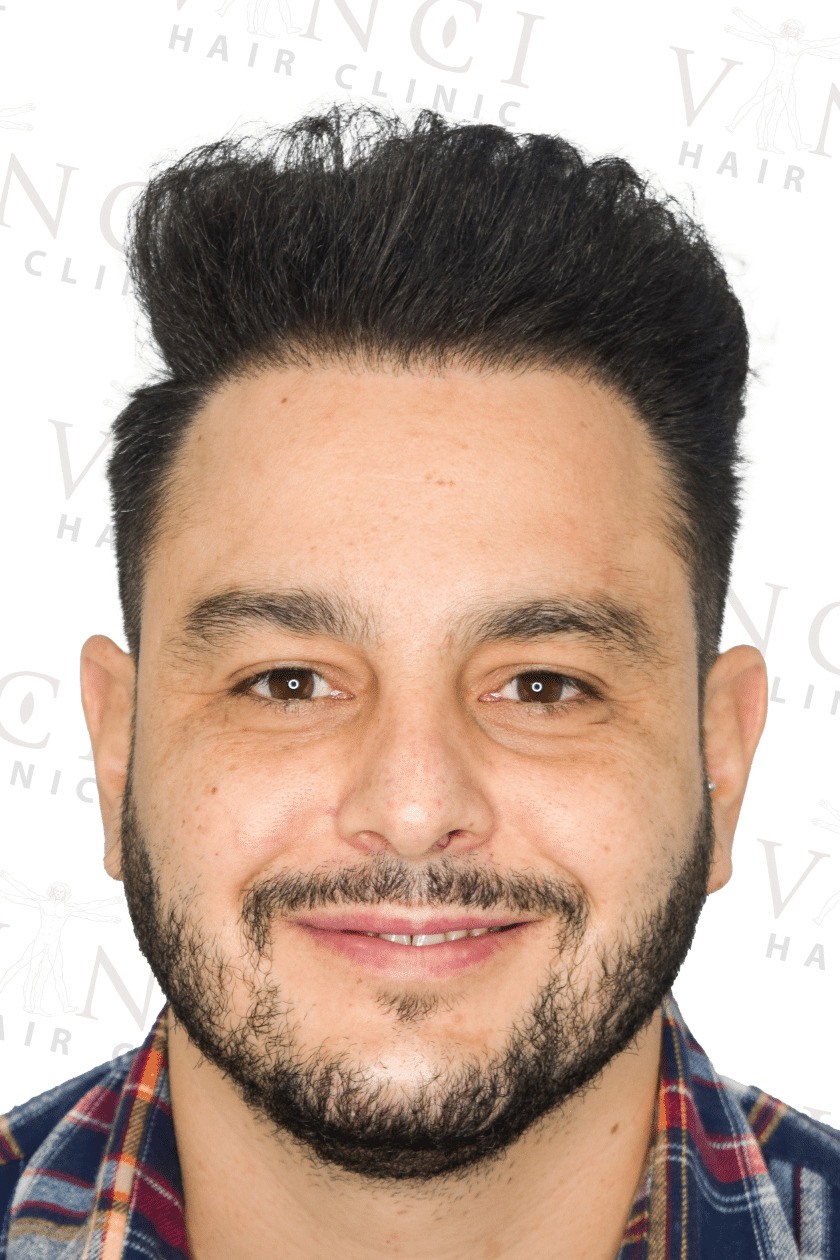
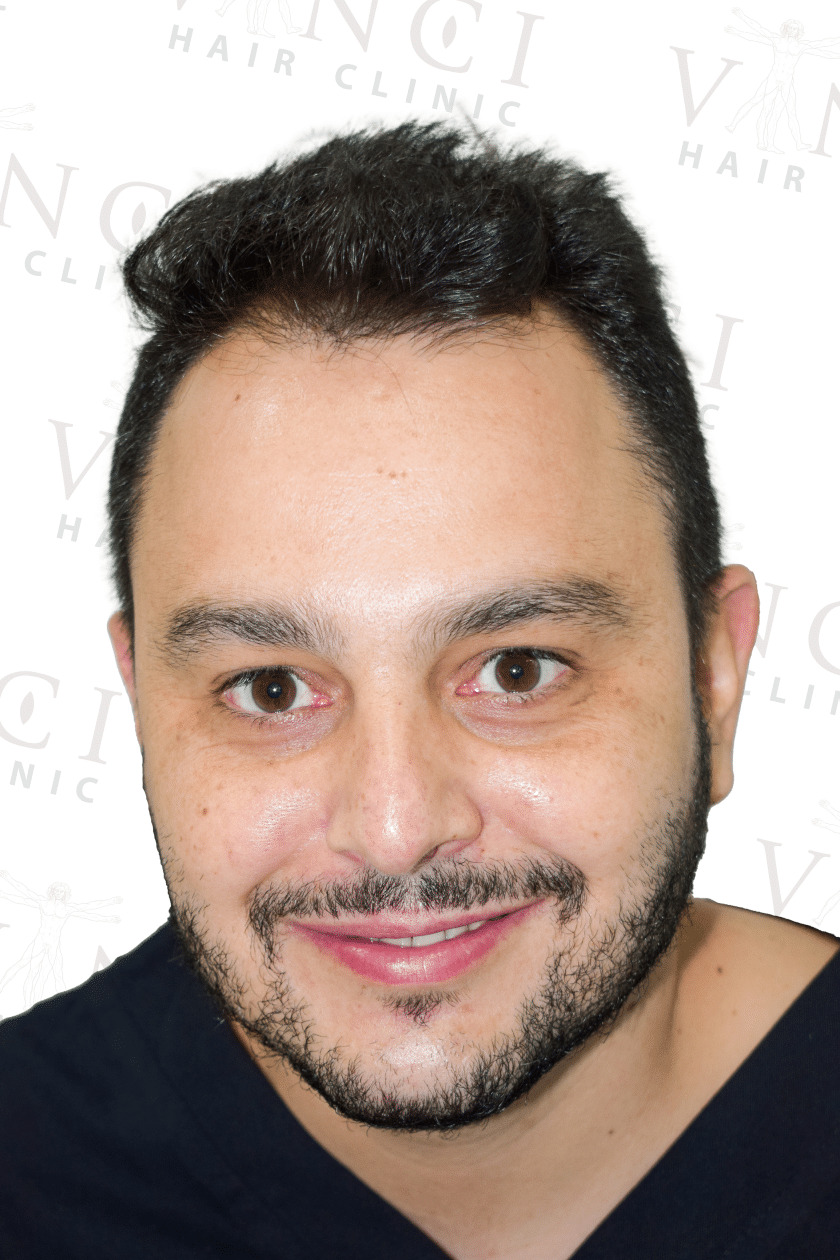
2,300 Grafts
6 Months Post Op
It takes less than a minute to fill in the form and receive a response.
Hair transplant treatment has never been so accessible!
Free online evaluation












Fill out our evaluation form and schedule your free evaluation now!
Free online evaluation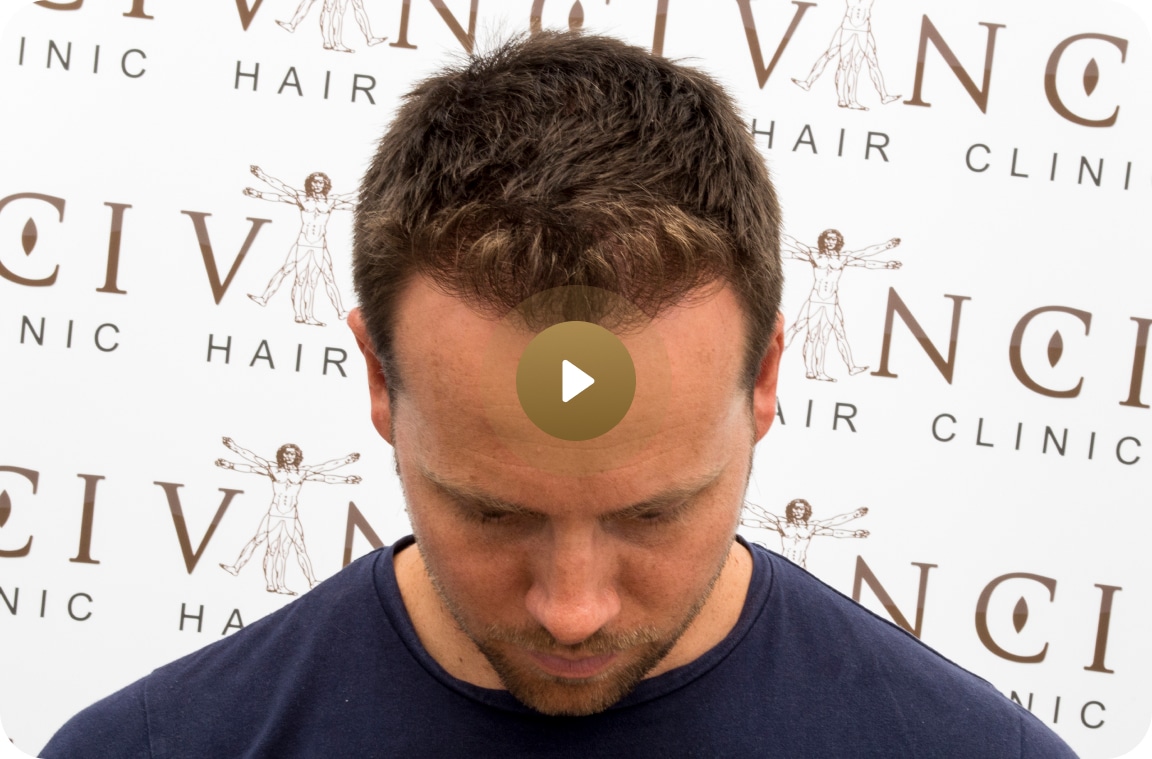

Had a Hair Transplant with
Vinci Hair Clinic in December 2018.

Had a Hair Transplant with
Vinci Hair Clinic in November 2020.
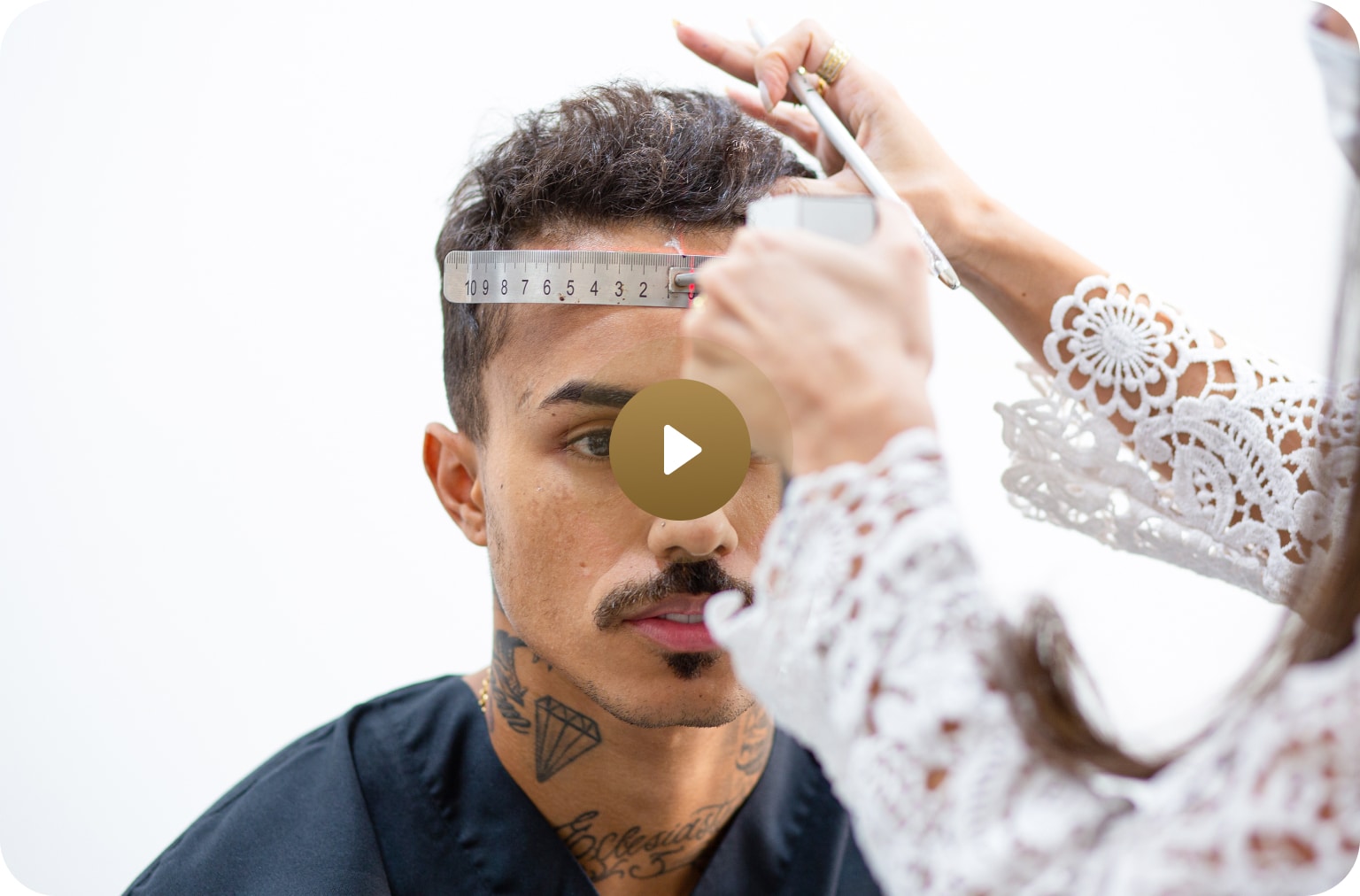

Had a Hair Transplant with
Vinci Hair Clinic in April 2021.
The hair around the back and sides of the head is genetically programmed to grow for life. A hair transplant is a simple redistribution of this permanent hair to the thin and balding areas of the scalp.
Hair loss has a range of causes and it is important to get an expert diagnosis in order to choose the right treatment for your specific condition. For example, male pattern baldness is caused by a hormone called DHT (Dihydrotestosterone), which damages the hair follicles on the top of the head, but does not affect the hairs on the back and sides of the head. The same hormone causes female hair loss, but in a different pattern. Other causes of hair loss include stress, scalp conditions and some medications. For personalised hair loss advice, arrange a private consultation with Vinci Hair Clinic.
Absolutely. As we are using your own natural hair, it will continue growing at the same pace as the rest of your hair.
In an FUE hair transplant you are required to shave the donor area on the back and the sides of the head but in the majority of cases shaving the recipient areas is not necessary.
As the transplanted hair is in different phases from growth to dormant, regrowth is progressive and starts from approximately three months post-op. At the six month stage, hair growth has been active for three months and we would expect to see a good portion of the hair growing through. Nearly all regrowth is achieved from between 12 to 18 months.
Yes. The hair follicles we transplant from the donor area are genetically programmed to grow for the rest of your life. This does not change when we transplant the hairs to the bald or thinning area.
Yes, all Vinci Hair Clinic consultations are free of charge (with the exception of VIP consultations).
The cost of a hair transplant procedure depends greatly on the level of hair loss, the amount of density required, as well as on your expectations. A hair transplant is a permanent procedure and will be visible for the rest of your life. While cost is an important factor, the quality of the work should be your number one priority when choosing a company to undertake your restoration. Various finance options are available to help make the treatment more affordable and therefore achievable.
The best way to understand exactly how much a hair transplant is going to cost in your unique case is to come in for a free face to face consultation and speak with one of our specialists.
If you are not a good candidate for a hair transplant procedure, your Vinci specialist will provide you with an honest assessment of your case and recommend alternative treatment options, which may include MSP or medical treatments.
During the consultation, your Vinci specialist will evaluate your stage of hair loss. We will discuss your expectations with you and let you know what we can realistically achieve with the treatment options available to you.
In most cases no. The NHS in the UK for example will pay for a handful of surgeries per year, but rarely in cases of standard pattern baldness. On the other hand, treatment costs for hair loss caused as a direct result of accidents, where private insurance liability is in place, are potentially covered by insurance companies.